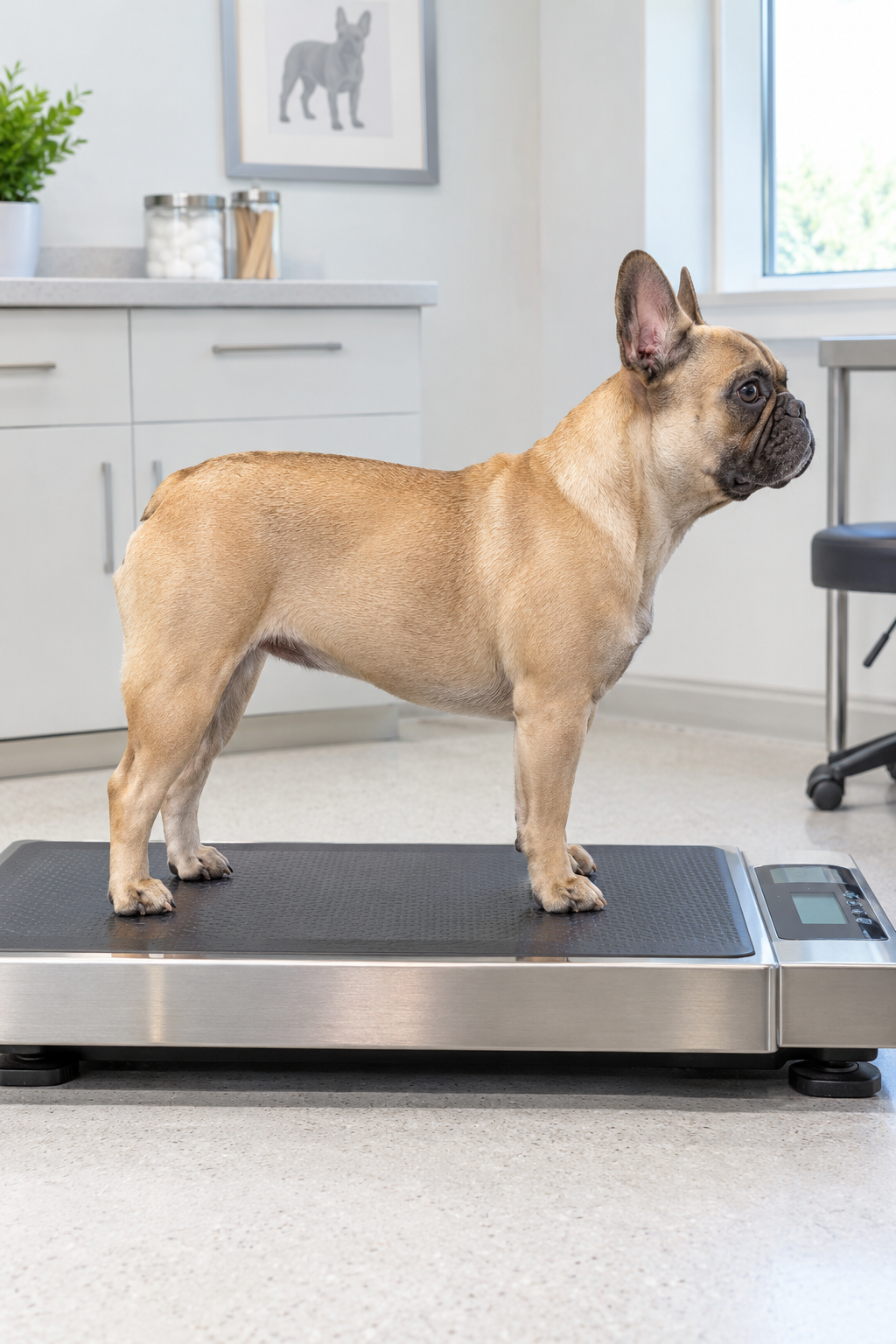
French Bulldogs may be small, but they have surprisingly solid, muscular bodies. Most adult Frenchies weigh between 16 and 28 pounds, with females typically lighter than males. The right weight for an individual dog depends on age, sex, bone structure, and body condition.
This French Bulldog weight chart covers typical weights from 8 weeks through adulthood, explains how quickly Frenchies grow, and shows you how to spot excess weight before it affects your dog’s health. Remember that weight ranges are useful starting points, not a substitute for checking your dog’s body condition.
The short answer: most French Bulldogs weigh 16-28 pounds
Most adult French Bulldogs weigh around 16-28 pounds. Females commonly fall in the 16-24-pound range, while males typically weigh around 20-28 pounds.
The American Kennel Club’s official French Bulldog breed standard states that a French Bulldog’s weight must not exceed 28 pounds for conformation purposes. That is a breed-standard limit, not a guarantee that every healthy pet will weigh less than 28 pounds.
| Adult Frenchie | Typical weight |
|---|---|
| Female | 16-24 lb |
| Male | 20-28 lb |
| General adult range | 16-28 lb |
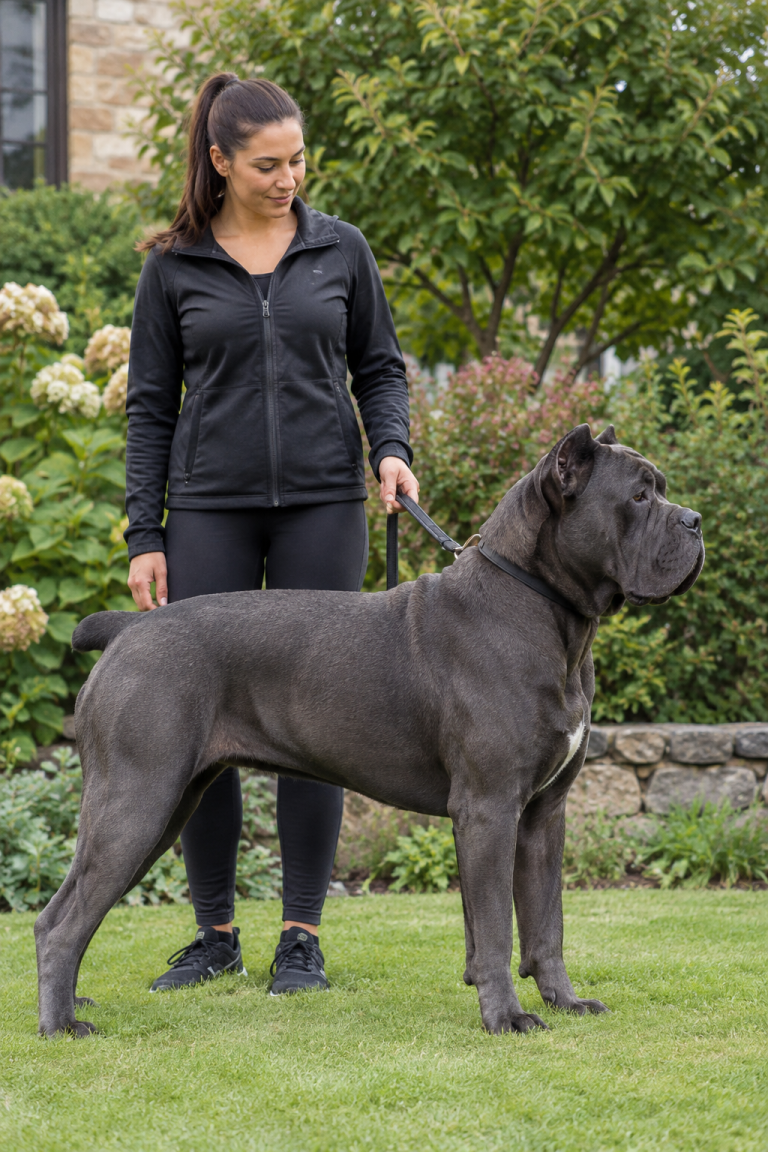
Why do Frenchies weigh more than they look? Their compact bodies carry substantial bone and muscle. A short-legged dog can look small beside a leaner breed while weighing considerably more than its appearance might suggest.
Some pet Frenchies exceed the breed-standard limit. That doesn’t automatically prove they are overweight, but it is a good reason to assess their body condition with a veterinarian. A naturally larger frame is possible, yet extra body fat is also common. The number on the scale needs context.
French Bulldog weight chart by age
Use this French Bulldog weight chart to compare your puppy’s weight with typical ranges for females and males. These are approximate reference ranges, not official growth standards or exact predictions for an individual dog.
| Age | Female weight | Male weight |
|---|---|---|
| 8 weeks | 3-5 lb | 4-6 lb |
| 3 months | 6-9 lb | 7-10 lb |
| 4 months | 9-13 lb | 10-14 lb |
| 5 months | 11-16 lb | 13-18 lb |
| 6 months | 13-19 lb | 15-21 lb |
| 8 months | 15-21 lb | 18-24 lb |
| 10 months | 16-23 lb | 19-26 lb |
| 12 months | 16-24 lb | 20-28 lb |
| Adult | 16-24 lb | 20-28 lb |
How to read the chart: Frenchies generally gain weight quickly during their first several months. Growth slows as they approach their adult size, and they may continue developing muscle and filling out after their height has mostly stabilized.
A puppy below or above the listed range isn’t automatically unhealthy. Genetics, litter size, nutrition, and individual development all influence growth. Look at the overall trend rather than judging your puppy by one weigh-in.
A puppy who is steadily growing, eating normally, and maintaining an appropriate body condition may be doing perfectly well outside the middle of these ranges. However, a sudden drop in weight, stalled growth, or persistent digestive problems deserves veterinary attention.
How fast do French Bulldogs grow?
French Bulldogs experience most of their rapid growth during the first six months. They generally approach their adult height around 9-10 months, although individual dogs develop at different rates.
After that, many Frenchies continue filling out until approximately 12-14 months. Some take longer, developing their adult muscle and body proportions into their second year.
Here’s a general guide to the stages:
- 8 weeks to 4 months: Rapid growth, with noticeable weekly changes in body size.
- 5-8 months: Continued weight gain as the puppy develops muscle and adult proportions.
- 9-12 months: Height gain slows, although the body may continue filling out.
- 12-14 months and beyond: Many Frenchies reach adult weight, while some continue maturing more gradually.
If your puppy’s weight doesn’t match the chart, focus on the growth pattern instead of trying to force them toward a particular number. Regular weigh-ins help you spot changes early.
For an individual estimate, try the CanineCalc puppy weight calculator.
Treat its result as a projection rather than a promise. Your Frenchie’s actual adult weight may differ from the estimate.
Is your Frenchie overweight? (The breed’s biggest weight problem)
Weight management is especially important for French Bulldogs because of their short-muzzled anatomy. Many Frenchies are prone to brachycephalic obstructive airway syndrome (BOAS), which can make breathing difficult. Excess body fat is associated with more severe respiratory problems, so maintaining a healthy body condition is about more than appearance.
The University of Cambridge’s BOAS guidance identifies obesity as a risk factor and recommends evaluating body condition rather than relying on body weight alone.
A Frenchie’s compact shape can make it harder to recognize excess weight, particularly when you’re used to seeing round-bodied dogs in photos and videos. A thick, stocky appearance is part of the breed’s general look, but a noticeably bulky body is not necessarily healthy.
Try these simple body-condition checks:
- Feel the ribs. Run your hands gently along both sides of your dog’s chest. You should be able to feel the ribs beneath a thin layer of fat without pressing hard. If you have to push firmly to find them, your Frenchie may be carrying excess weight.
- Look from above. Your dog should have a visible waist behind the rib cage. The narrowing may be subtle because Frenchies have broad, compact bodies, but the torso shouldn’t look uniformly wide from shoulders to hips.
- Check the body from the side. Look for a slight upward tuck between the chest and abdomen. A rounded underside combined with a disappearing waist can indicate excess fat.
- Notice the fat covering. Frenchies naturally have skin folds, and some facial and body wrinkles are normal for the breed. However, thick, soft fat deposits around the neck, shoulders, or torso shouldn’t automatically be dismissed as normal Frenchie features.
The VCA body condition score guide provides additional guidance on assessing your dog’s ribs, waist, and abdominal outline.
Your veterinarian can assign a body condition score, or BCS, and establish a suitable target weight. This is more useful than trying to make every Frenchie fit the same number on the scale.
Underweight Frenchies and ‘teacup’ claims
An adult Frenchie weighing under approximately 16 pounds may simply be unusually small, but low weight can also reflect poor nutrition, an underlying health problem, or other individual factors. Claims about teacup or miniature Frenchies deserve particular caution because intentionally breeding for an undersized body can raise health and welfare concerns.
For the specific issues surrounding tiny Frenchies and undersized breeding, read our teacup Frenchie article.
Don’t assume that a small dog is unhealthy just because it falls below a typical weight range. However, prominent ribs or hips, low energy, a poor coat, reduced appetite, or unexplained weight loss are reasons to arrange a veterinary check. Puppies who stop gaining weight also need attention.
Keeping a Frenchie at a healthy weight
The best way to maintain your French Bulldog’s weight is to combine measured meals, sensible treats, appropriate activity, and regular monitoring.

Measure every meal. Use a measuring cup or kitchen scale rather than estimating portions by eye. Follow the food’s feeding guidance as a starting point, then adjust with your veterinarian based on age, activity, body condition, and whether your dog needs to gain or lose weight.
Keep treats in check. Treats and table scraps add calories quickly in a small dog. A common guideline is to keep treats and other extras to no more than 10% of daily calories, with the remaining 90% coming from a nutritionally complete diet. For a Frenchie on a weight-management plan, your veterinarian may recommend a stricter limit.
Exercise in moderation. Regular, gentle activity helps maintain muscle and supports weight management. Short walks and relaxed play are generally more suitable than strenuous exercise. Avoid hot or humid conditions, watch for signs of breathing difficulty, and stop if your dog struggles. Frenchies who have breathing problems may need an individualized activity plan.
Weigh your dog regularly. Monthly weigh-ins can help you notice gradual weight gain or unexpected weight loss. Puppies benefit from more frequent monitoring while they’re growing. Keep a simple record so you can compare changes over time instead of relying on memory.
Calculate calories thoughtfully. Your Frenchie’s calorie needs depend on more than body weight alone. Age, neuter status, activity, food type, and health conditions can all affect the amount needed.
Use the CanineCalc dog calorie calculator as a starting point.
A calorie estimate isn’t a diagnosis or a replacement for veterinary advice, especially if your Frenchie is overweight, underweight, or experiencing breathing difficulties.
Frequently asked questions
How much should a French Bulldog weigh at 6 months?
At six months, a female French Bulldog typically weighs around 13-19 pounds, while a male often weighs around 15-21 pounds. Individual puppies may fall outside these ranges and still be healthy, depending on their body condition and growth pattern.
How much do female French Bulldogs weigh?
Most adult female French Bulldogs weigh approximately 16-24 pounds. Their ideal weight depends on their frame and body condition, so a healthy female may weigh somewhat differently from another female of the same age.
What is the maximum weight for a French Bulldog?
The AKC breed standard sets a maximum of 28 pounds for conformation purposes. Pet Frenchies can weigh more, but exceeding that limit is a reason to check their body condition and discuss their weight with a veterinarian. Extra weight, rather than a larger frame, may be contributing to the number.
How can I tell if my Frenchie is overweight?
Check whether the ribs are easy to feel beneath a thin fat layer and whether a waist is visible from above. A rounded torso and difficulty feeling the ribs may indicate excess weight. Your veterinarian can assess body condition and recommend an appropriate target.
Do Frenchies weigh more than they look?
Yes, they often do. French Bulldogs have compact, muscular bodies and relatively heavy bone for their size. Their short legs and small stature can make them appear lighter than they are, which is why weighing them is more reliable than judging by appearance.
Conclusion
Most French Bulldogs weigh around 16-28 pounds as adults, with females generally lighter than males. Use the age chart to understand your dog’s growth, but pay just as much attention to body condition, breathing, energy, and changes over time.
For this breed, maintaining a healthy weight is particularly important because excess body fat can make existing breathing difficulties worse. Regular weigh-ins, measured meals, gentle exercise, and veterinary guidance will help you find the right balance for your individual Frenchie.
By Jennifer, founder of CanineCalc. Jennifer is a dog owner and researcher who develops practical, research-informed resources to help dog owners understand their pets’ growth, weight, and everyday care. She is not a veterinarian, breeder, or certified trainer. This article is educational and does not replace individualized veterinary advice.