Puppy food allergy signs: the short answer
The signs owners most often watch for are itchy skin, recurring ear problems, and ongoing digestive upset. A puppy may lick or chew their paws, scratch persistently, shake their head, or have repeated loose stools, gas, or vomiting.
These are clues, not proof. True food allergies are less common than many owners fear, and the same signs can come from environmental allergies, fleas or mites, infections, or a food that simply does not agree with a puppy. That is why the first step is careful observation, not a sudden diet change.
A food allergy can only be confirmed through a vet-supervised elimination diet and a controlled food challenge. If you are seeing persistent signs, the most helpful next step is to keep a simple diary of food and symptoms, then take that record to your vet.
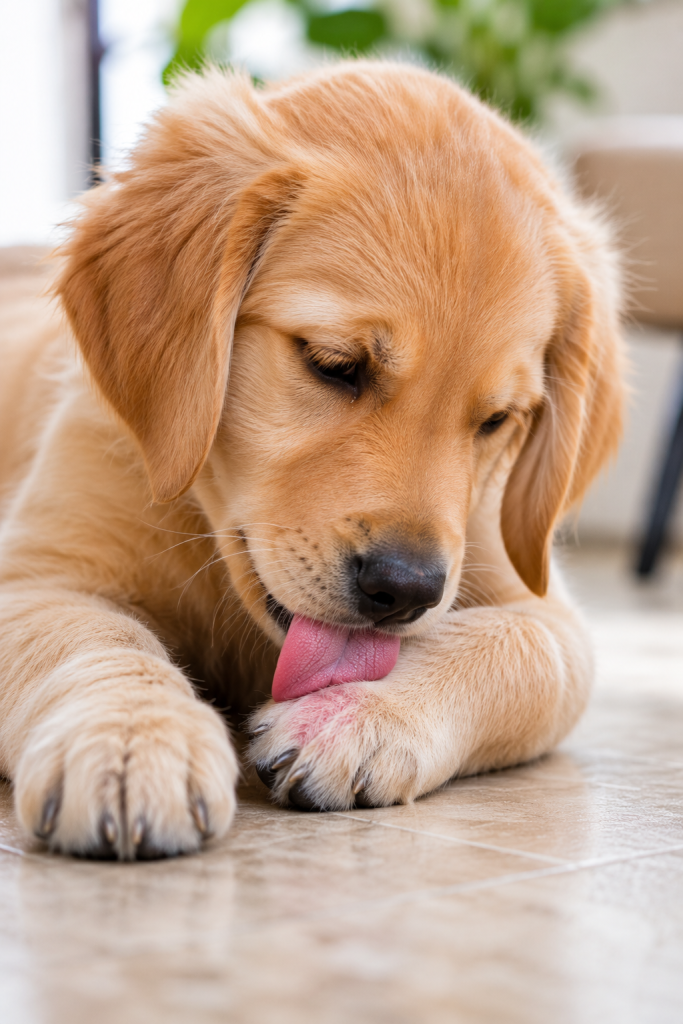
The signs owners usually notice first
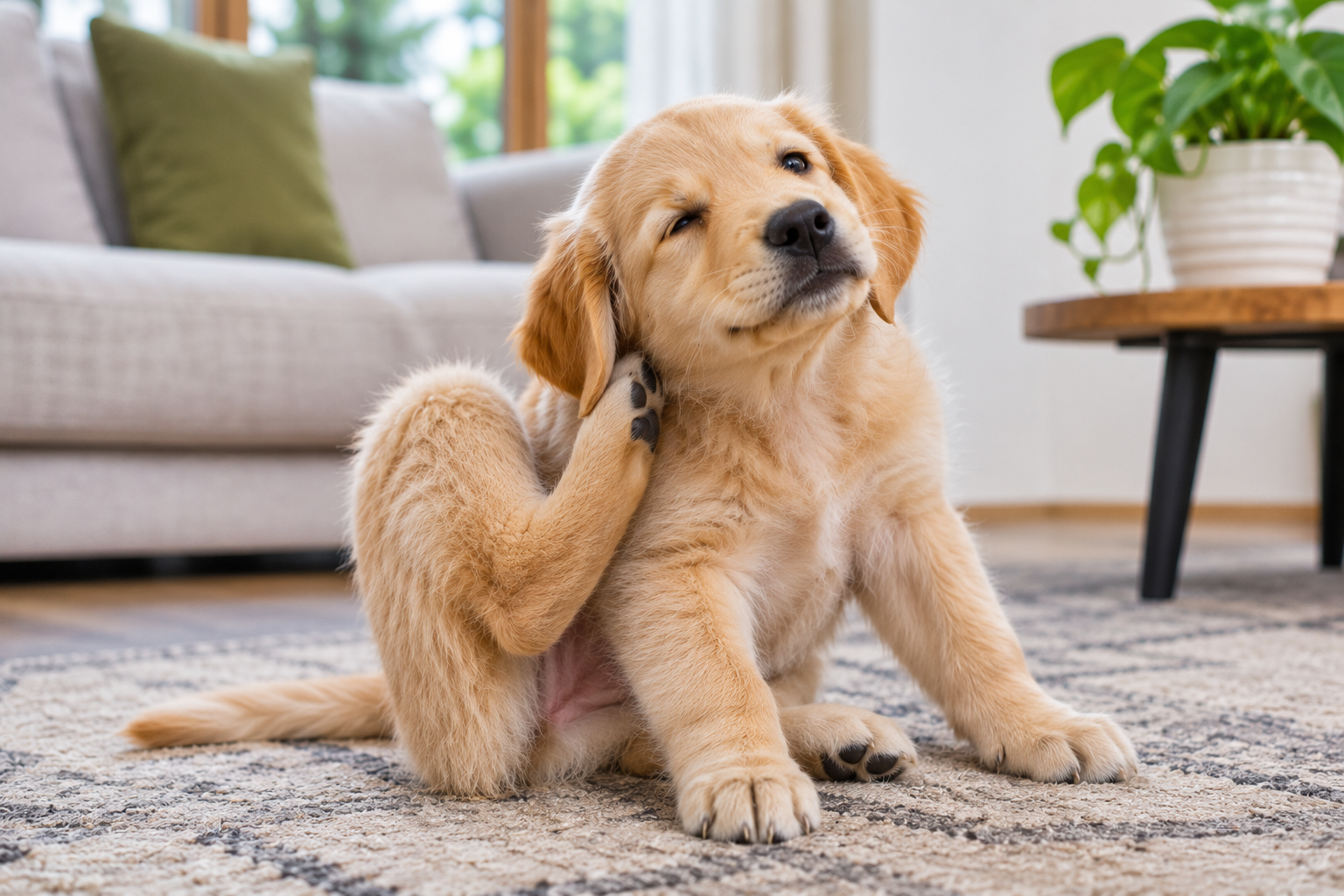
Skin and coat. Itching is one of the main signs associated with food allergies in dogs. You might notice extra scratching, paw licking or chewing, red or irritated skin, hair loss in places, and sometimes moist red areas or hot spots. A puppy may also rub their face or body against furniture or the floor.
Ears. Repeated ear inflammation or infections may also lead a veterinarian to consider allergy. Watch for head shaking, ear scratching, redness inside the ear, odour, or discharge. Ear problems that keep coming back after treatment deserve a closer look.
Digestion. Some dogs with adverse food reactions have recurring loose stools, gas, vomiting, or changes in bowel habits. Mild digestive upset after a food change can be normal, but ongoing digestive symptoms are different. If they continue, your vet may want to rule out parasites, infection, or another cause before focusing on food.
Allergy, intolerance, or something else?
A food allergy involves the immune system reacting to something in the diet, often a protein. It may cause itchy skin, recurring ear problems, or digestive upset. A food intolerance does not involve the same immune response. A puppy may have difficulty tolerating an ingredient or a food with a particular fibre or fat level, which can cause digestive symptoms, but the reaction is not an allergy in the strict sense.
Several other problems can look similar:
- Environmental allergies: pollen, grasses, dust, and house-dust or storage mites can contribute to itchy skin. Signs may vary with the season or the puppy’s surroundings.
- Fleas and other parasites: flea bites can cause intense itching; mites and intestinal parasites can cause skin or digestive problems.
- Skin or ear infections: yeast and bacteria can cause redness, odour, discharge, and itching. Infection may also follow repeated scratching.
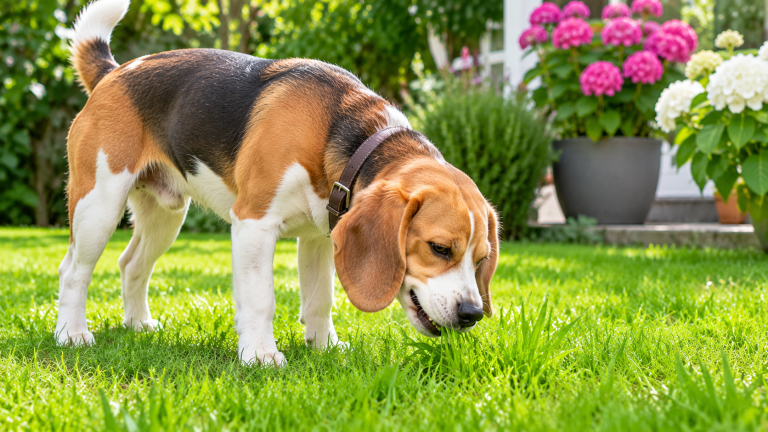
- Other digestive causes: rubbish, plants, table scraps, swallowed objects, parasites, infections, and abrupt food changes can all affect a puppy’s digestion.
Your vet may therefore check the skin, ears, stool, parasite history, and general health before suggesting a dietary change. Looking at the whole picture matters because the same signs can have very different causes.
Which ingredients usually get blamed
Veterinary literature most commonly reports beef, dairy products, and chicken among food allergens in dogs. Wheat and lamb are also reported. These are ingredients documented in published cases rather than a list of ingredients to avoid for every puppy.
Protein sources are frequent triggers, but the newest food is not necessarily the cause. A food allergy usually develops after repeated exposure to an ingredient, so a puppy can react to a food they have eaten for a while.
Grain allergy is much less common than owners often assume. Wheat allergy is reported in some dogs, but grain-free food is not automatically the answer. Switching foods without veterinary guidance can make it harder to work out what is actually causing the problem.
How a food allergy is actually confirmed
The established diagnostic method is a vet-supervised elimination diet followed by a food challenge. A rash, symptom checklist, or commercial sensitivity kit cannot confirm a food allergy.
Your vet will review your puppy’s food history, including previous diets, treats, chews, table food, supplements, and flavoured medication. That history helps choose an appropriate trial diet.
The trial is strict and usually lasts several weeks. Veterinary plans commonly run for around eight weeks, sometimes longer. During that time, your puppy eats only the trial diet. Any treats, chews, table food, or flavoured medication not approved by your vet could affect the results.
The plan uses one selected diet or protein approach at a time rather than mixing several new proteins or foods. Your vet may choose a diet with a limited number of ingredients, a new protein your puppy has not eaten before, or a hydrolysed diet in which proteins are broken down into smaller pieces.
Do not create a restricted diet yourself or feed a single meat or homemade mixture as an experiment. Puppies have specific nutritional needs, and an unbalanced diet can cause other problems.
If signs improve during the trial, your vet may guide a re-challenge by reintroducing the previous food or a suspected ingredient in a controlled way. If symptoms return, that supports a diagnosis. If they do not return, your vet may look at other causes.
Saliva and hair sensitivity kits are not considered reliable for diagnosing food allergies in dogs. They are not a replacement for an elimination diet and a re-challenge guided by your vet.
What to do this week: a simple observation plan
You do not need to solve the problem before the appointment. Collect useful details without making sudden changes.
- Keep a food-and-symptoms diary. Record meals, treats, chews, supplements, flavoured medication, and when each symptom appears.
- Change one thing at a time. Avoid repeated food switches or removing several ingredients at once. Ask your vet before starting a new diet.
- Skip new extras. Avoid adding treats, toppers, or table food while you track symptoms. Keep your puppy on their usual food until your vet advises otherwise.
- Photograph flare-ups. Take clear pictures of irritated skin, paws, or ears while the signs are visible.
- Bring the record to your vet. Include food packaging or ingredient lists, recent diet changes, parasite prevention, outdoor exposure, and any other symptoms you have noticed.
A simple record can help your veterinarian see whether the problem follows a pattern or may have another cause.
Red flags: when to see the vet promptly
- Facial swelling or hives: contact a veterinarian promptly, especially if swelling is spreading or your puppy seems unwell.
- Difficulty breathing, collapse, or sudden severe weakness: seek emergency veterinary care immediately.
- Persistent vomiting or diarrhea: puppies can become dehydrated; repeated episodes or inability to keep water down need prompt advice.
- Blood in the stool: contact your vet rather than assuming it is a food reaction.
- Weight loss or refusal to eat: arrange prompt veterinary assessment, particularly in a young puppy.
Do not try to manage breathing difficulty, collapse, or a severe reaction with home remedies or human medication. Seek veterinary care immediately.
Frequently asked questions
What are signs of food allergies in puppies?
Possible signs include persistent itching, paw licking or chewing, red irritated skin, recurring ear infections or head shaking, and ongoing digestive problems such as loose stools, gas, or vomiting. These signs can also be caused by other problems, so they do not confirm a food allergy on their own.
How do I know if my puppy is allergic to his food?
Symptoms alone cannot tell you. Your veterinarian may recommend a strict elimination diet after assessing your puppy and ruling out other causes. Keeping a detailed diary of food and symptoms helps your vet decide whether a diet trial is the right next step.
How long does it take for food allergy symptoms to show in puppies?
There is no single timetable. Signs may become noticeable after a puppy has eaten an ingredient for some time, and it can take weeks or longer for a pattern to become clear. Elimination diets are usually followed for several weeks before your vet assesses the response.
Can puppies be allergic to chicken?
Yes. Chicken is among the ingredients most commonly reported in dogs with food allergies. But itching or digestive problems after eating chicken does not prove a chicken allergy. Other ingredients, environmental allergies, or infections could also be involved.
What does a food allergy rash look like on a puppy?
There is no single identifying rash. You may see pink or red irritated skin, inflamed patches, moist areas, or hair loss from scratching. Paws, ears, belly, and the face can be affected. Your vet can examine the skin and decide whether allergy or another condition is the most likely cause.
A suspected food allergy can be worrying, especially when your puppy is uncomfortable, but guessing is rarely helpful. With a simple diary, a few clear photos, and a vet-led plan, you can narrow down the cause without making sudden changes that muddy the picture. The goal is not to find a perfect food overnight. It is to observe carefully, rule out the other common causes, and give your vet the evidence needed to make a sound decision.