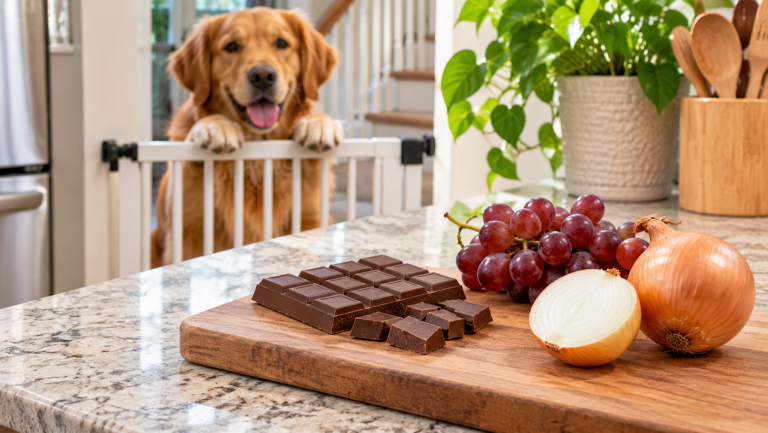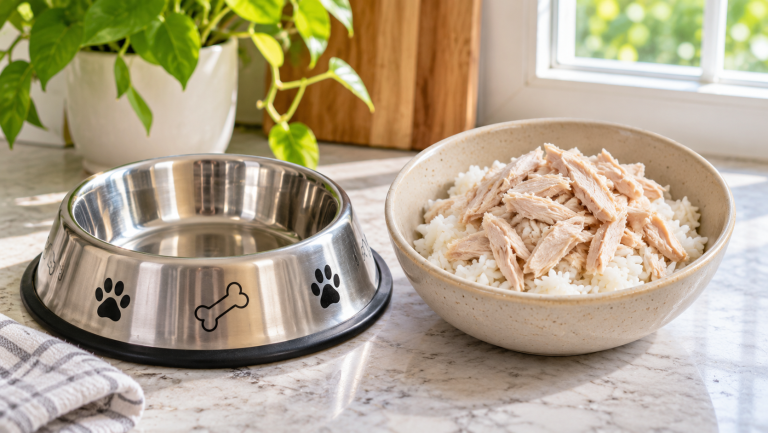
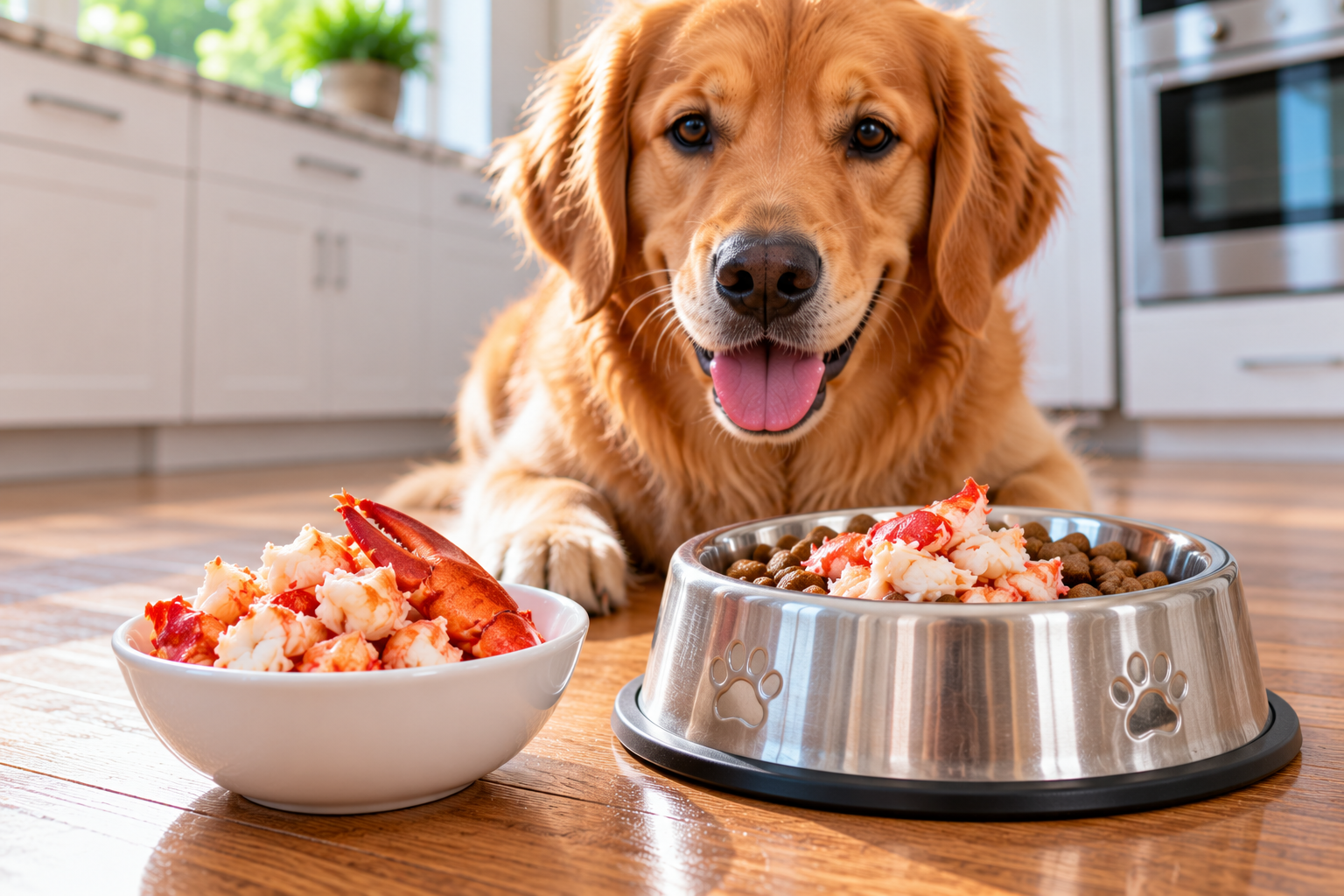
Lobster can be shared with dogs in small amounts, provided it is fully cooked, served plain, and completely free of shell. The meat itself is generally considered safe for most healthy dogs as an occasional treat. The bigger concerns are sharp shell fragments, rich butter sauces, salty seasonings, and possible food allergies.
That distinction matters, especially around holidays and family dinners when lobster, seafood boils, and leftovers may be within easy reach of a curious dog. A small piece of plain lobster meat is very different from a bite of lobster covered in garlic butter or Cajun seasoning.
Before sharing any seafood, it helps to know which parts are suitable for dogs, how to keep portions modest, and when it is better to leave the lobster on your own plate.
Can dogs eat lobster? The short answer
Yes, dogs can generally eat a small amount of plain, thoroughly cooked lobster meat. The shell must be removed completely, and the meat should contain no added butter, salt, garlic, onion, or other seasonings.
Lobster provides protein and nutrients, including vitamin B12 and selenium. However, dogs do not need lobster specifically to maintain a balanced diet. Their regular, complete dog food should remain their primary source of nutrition.
The way lobster is prepared makes a real difference. A plain piece of steamed lobster is a much more suitable choice than fried lobster, lobster dipped in melted butter, or meat taken from a heavily seasoned seafood boil.
There is also no reason to offer a large serving simply because lobster is high in protein. It is best treated as an occasional extra rather than a regular meal ingredient.
The simple rule: Plain cooked meat is the only part to consider sharing. Leave the shell, sauces, seasoning, and rich restaurant preparations out of your dog’s portion.
What part of lobster is safe?
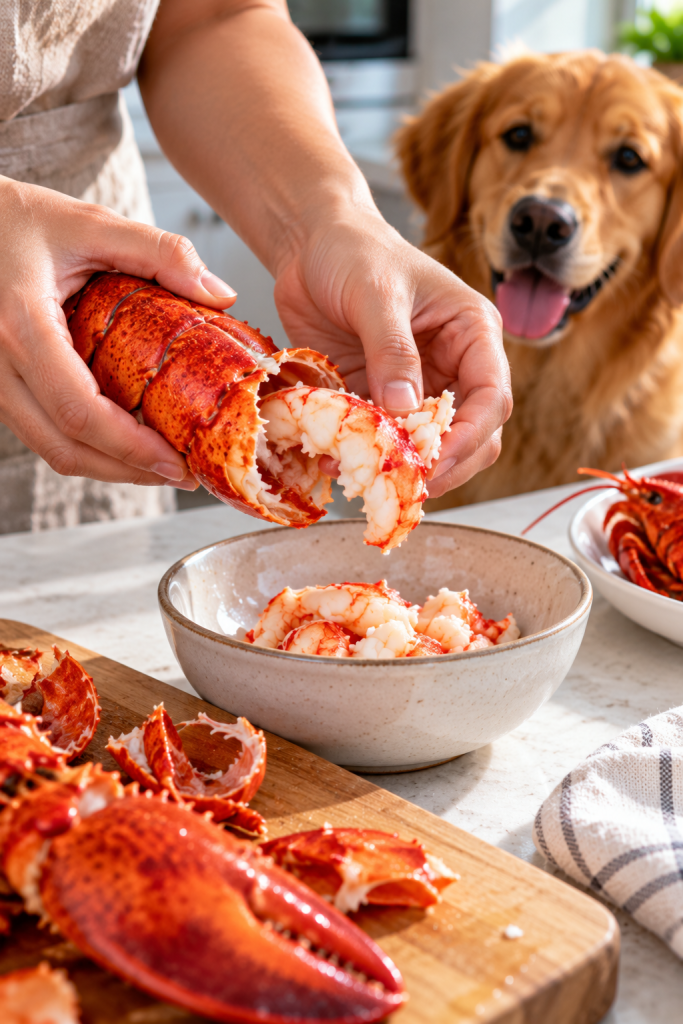
The edible meat from the tail and claws is generally suitable for a healthy dog when prepared properly. The key is to separate the meat from every piece of shell and serve it without potentially troublesome additions.
Lobster tail meat: Fully cooked tail meat can be offered in a small, bite-sized piece. Remove the entire shell and check carefully for any hard fragments before serving. Cut the meat into manageable pieces appropriate for your dog’s size.
Lobster claw meat: The meat inside the claws follows the same rule. Remove all shell before serving, and check for small fragments that could have broken off during cracking.
Other edible meat: Meat from other parts of the lobster should also be plain, thoroughly cooked, and free of shell. When you cannot confidently identify or remove every hard fragment, skip that portion.
Steaming, boiling, or baking lobster without added seasonings are straightforward preparation options. Let the meat cool before offering it, and avoid serving it directly from a hot pot or cooking tray.
Do not give your dog a whole lobster, a claw, or a tail still enclosed in its shell. Dogs can bite off and swallow pieces without chewing them sufficiently, creating risks that are easy to avoid.
Shellfish preparation matters for other seafood, too. If shrimp is on the menu, see our guide to whether dogs can eat shrimp tails.
What to avoid
Lobster is often served with ingredients and preparations that are less suitable for dogs. Keeping these separate from your dog’s treat is the easiest way to reduce unnecessary risk.
Lobster shells and fragments
Lobster shells are hard and brittle. They can present choking hazards, injure the mouth or digestive tract, and potentially cause an intestinal blockage if swallowed. Never offer shells as chew toys, even if your dog enjoys crunching them.
Butter and garlic butter
Plain butter is rich in fat and can upset a dog’s digestive system, particularly when eaten in larger amounts. Rich, fatty foods can also contribute to pancreatitis in susceptible dogs. Garlic butter adds another concern because garlic is toxic to dogs.
Keep drawn butter, garlic butter, and creamy lobster sauces away from your dog’s portion. A little plain lobster meat is a better choice than sharing the sauce-covered meat from your plate.
Cajun and Old Bay seasoning
Seasoning blends are formulated for human food, not for dogs. They may contain substantial sodium, pepper, chili, or other ingredients that can cause digestive irritation or make the meal unsuitable for pets. Some blends or recipes also contain garlic or onion, which are toxic to dogs.
Do not assume a lightly seasoned piece is safe simply because it does not taste especially spicy to you. Set aside an unseasoned piece before adding a seasoning blend to your own food.
Fried lobster
Frying usually adds oil, fat, breading, and sometimes salt or spices. Breaded lobster bites and fried seafood appetizers are therefore poor choices for sharing with dogs. Plain cooked meat is easier to assess and avoids unnecessary extras.
Raw or undercooked lobster
Raw shellfish can carry bacteria and other pathogens that may cause illness. Cooking lobster thoroughly is the safer approach for both preparation and serving. Avoid raw lobster, including uncooked pieces left over from food preparation.
Rich lobster dishes and leftovers
Lobster bisque, lobster rolls, creamy pasta, and seafood boils may contain butter, cream, salt, onion, garlic, or several seasonings at once. Even if lobster meat is an ingredient, the finished dish is not equivalent to plain lobster.
When you do not know every ingredient, keep the dish off your dog’s menu.
Portions and allergy watch
Lobster should be a small, occasional treat, not a meal replacement. There is no single portion that is appropriate for every dog because size, daily calorie needs, existing health conditions, and dietary restrictions vary.
For a first taste, start with a tiny piece of plain, cooked meat. A small dog needs particularly modest portions, while a larger dog may tolerate a somewhat larger bite. Neither should receive a plateful of lobster or a generous serving simply because the meat is unseasoned.
Keep the general 10% treat rule in mind: treats and other extras should account for no more than about 10% of a dog’s daily calorie intake, with the remaining calories coming from a complete and balanced diet. That limit is a ceiling for all treats combined, not a lobster allowance. Lobster is only one possible extra among any other snacks your dog receives.
If you are feeding a growing puppy, be particularly mindful of how extras fit around regular meals. Our puppy food chart can help you review feeding considerations as puppies grow, but your veterinarian is the right person to advise on an individual puppy’s nutritional needs.
Watch for a possible reaction. Dogs can develop sensitivities or allergic reactions to foods, including shellfish. After introducing lobster for the first time, watch for unusual itching, hives, swelling, vomiting, diarrhea, or other unexpected changes.
Do not offer another portion if you notice a concerning reaction. Facial swelling or breathing difficulty warrants emergency veterinary attention. For other concerning symptoms, or if you are unsure whether lobster is appropriate for your dog, contact your veterinarian for guidance.
Dogs with a known food allergy, a prescribed diet, or an existing medical condition should not be given new foods without checking with their veterinary team first.
Lobster mistakes to avoid
Most lobster-related feeding mistakes come from sharing the whole dining experience instead of setting aside a suitable piece of meat.
Giving the shell as a chew: Lobster shells are not safe dog chews. Dispose of shells promptly in a secure bin, particularly after a holiday meal when several people may be eating and cleaning up.
Sharing seasoned leftovers: A piece taken from a seafood boil may carry salt, spices, garlic, onion, or other ingredients. Save your dog’s portion before seasoning the food rather than trying to remove the coating afterward.
Serving too much: A large helping can add unnecessary calories and may upset your dog’s digestive system. Keep lobster to a few small bites at most, depending on the individual dog, and offer it only occasionally.
Adding rich sauces: Butter, cream sauces, and garlic butter introduce unnecessary fat and potentially harmful ingredients. Plain meat is the better option.
Leaving leftovers within reach: Cooked shellfish should be stored appropriately for people and kept away from curious pets. Do not serve food that has been left out too long, spoiled, or mixed with ingredients you cannot verify.
If your dog swallows a shell fragment, eats lobster containing garlic or onion, or consumes a substantial amount of rich or heavily seasoned lobster, contact your veterinarian for advice. The risk depends on what was eaten, how much was consumed, and your dog’s individual circumstances. Do not wait for symptoms before seeking advice about a potentially harmful exposure.
Frequently asked questions
Can dogs eat lobster?
Yes. Most healthy dogs can have a small amount of fully cooked, plain lobster meat with every piece of shell removed. Keep it occasional, and avoid butter, sauces, and seasonings.
Can dogs eat lobster shell?
No. Lobster shells can splinter into hard fragments and create choking, injury, or intestinal blockage risks. Never give your dog lobster shells as food or as a chew.
Can dogs eat lobster tail?
Yes, the cooked meat from a lobster tail can be shared in a small amount. Remove the shell completely, check for fragments, and serve the meat plain and cooled.
Is lobster good for dogs?
Lobster supplies protein and nutrients such as vitamin B12 and selenium. However, it is not necessary for a dog’s diet, and its nutritional content does not make it suitable in unlimited amounts. Complete, balanced dog food should remain the foundation of daily nutrition.
What seafood can dogs eat?
Some seafood options, including thoroughly cooked, boneless salmon and plain cooked shrimp with the shell, head, legs, and tail removed, can be appropriate occasional treats. Avoid raw seafood, bones or shells, excessive salt, rich sauces, and seasonings. Introduce unfamiliar foods cautiously, and ask your veterinarian before adding seafood regularly.
Conclusion: Keep lobster plain and portions small
Dogs can generally enjoy a little lobster, but safe sharing comes down to preparation and moderation. Fully cooked tail or claw meat, served plain and completely free of shell, is the only version worth considering as a treat.
Skip the shells, garlic butter, Cajun seasoning, fried preparations, and rich leftovers. Start with a tiny piece if your dog has never eaten lobster, and check with your veterinarian if you have concerns about allergies, dietary restrictions, or a possible accidental ingestion.
A little care lets you enjoy a special seafood dinner without turning your dog’s treat into an unnecessary risk.