Toxic Foods for Dogs: The Complete Danger List (2026)
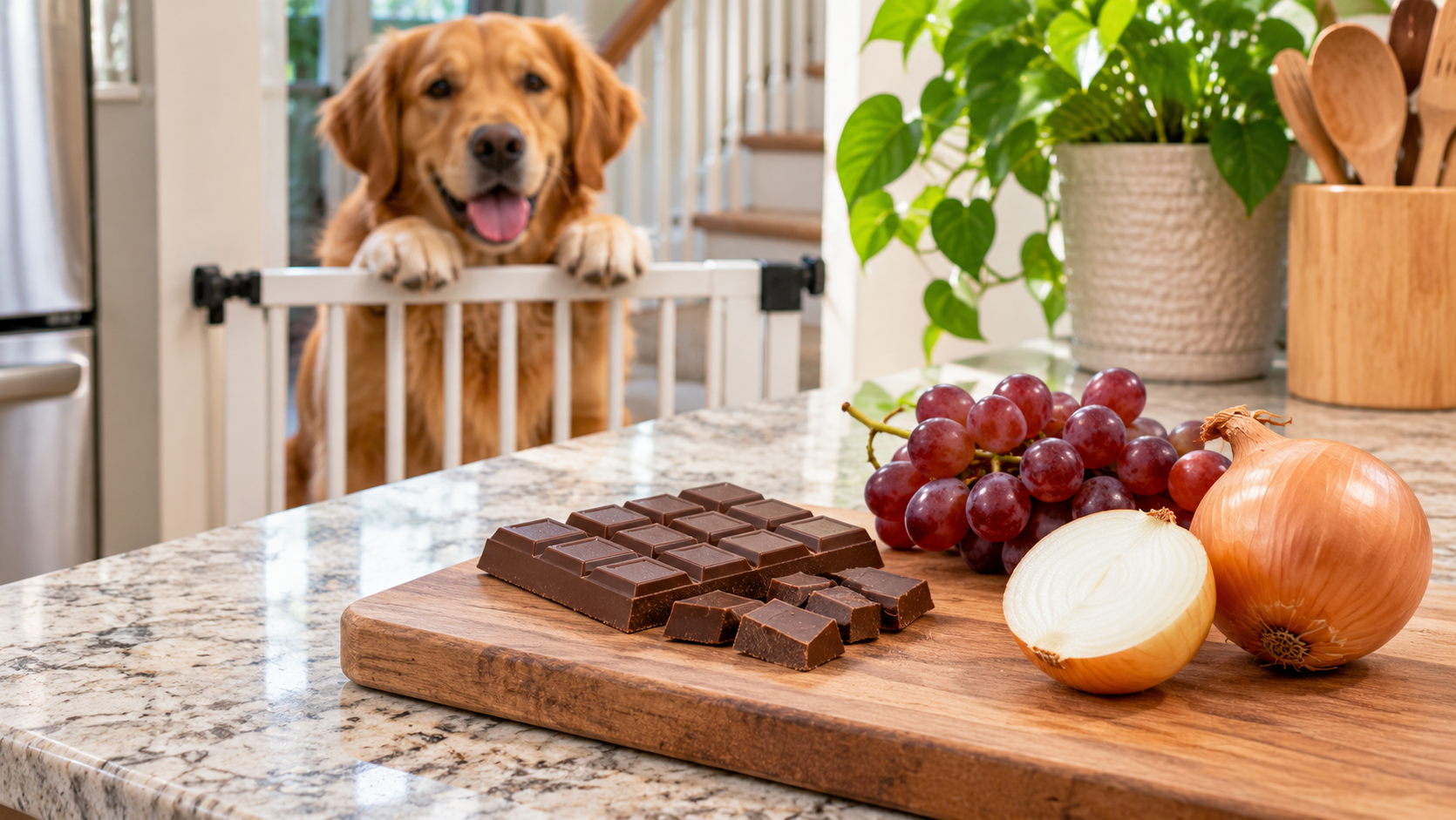
Chocolate bar, grapes and onions on a kitchen counter with a dog watching safely from behind a stair gate

Knowing which foods are toxic to dogs can help prevent an accidental poisoning and make it easier to recognize that something is wrong before it becomes serious. Most everyday foods are harmless, but a small group poses a genuine risk, and some of them can cause problems at doses that are easy to underestimate. The … Read more
Bland Diet for Dogs: What to Feed + For How Long (2026)

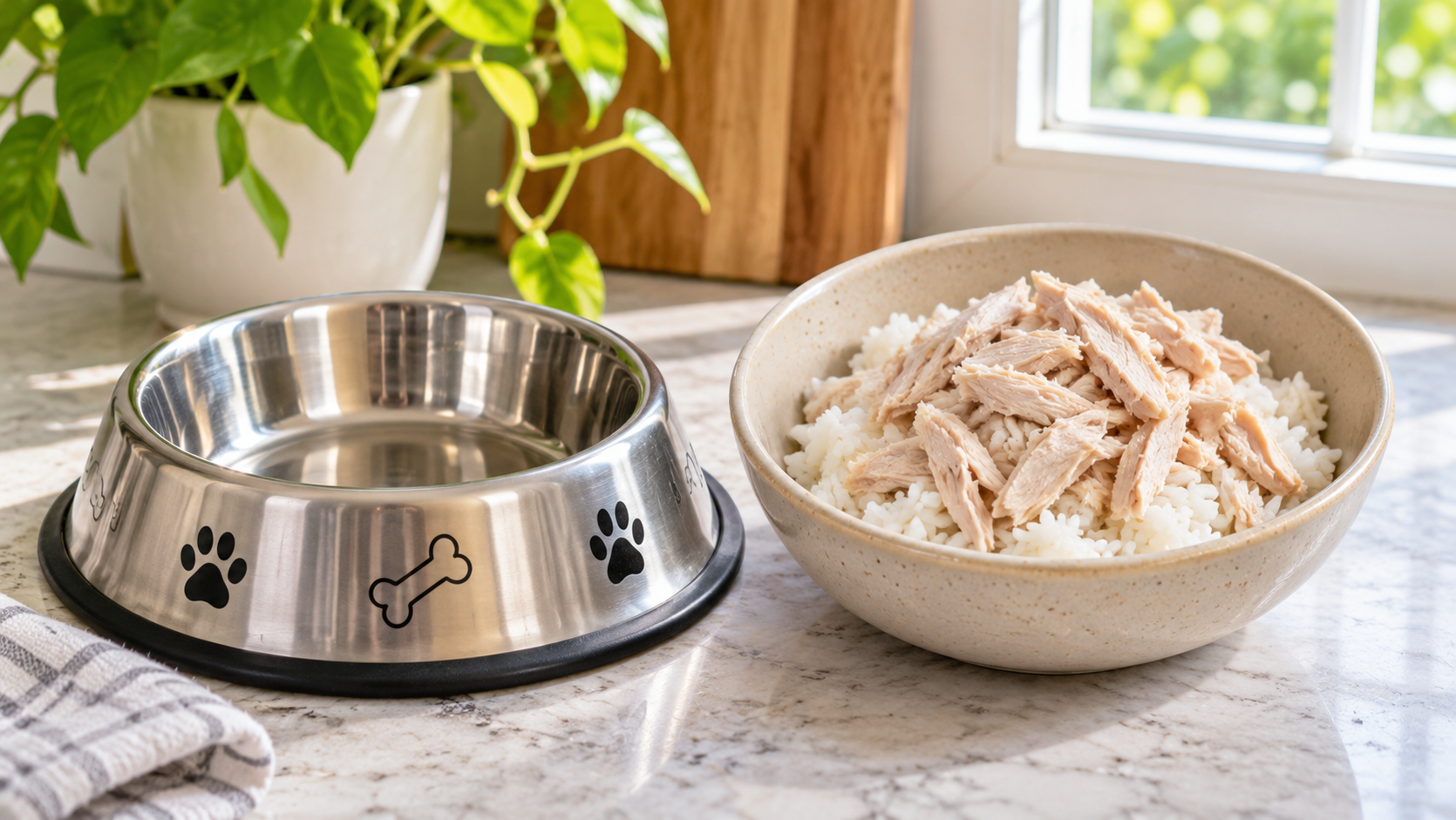
Bowl of plain boiled chicken and white rice beside a dog bowl on a kitchen counter

A bland diet for dogs usually means simple, low-fat food made with plain boiled chicken or another lean protein and well-cooked white rice. The familiar chicken-and-rice combination is easy to prepare, but there is more to feeding it properly than filling a bowl. Portion size, the amount of time it is used, and the move … Read more

Labrador Life Expectancy: How Long Do Labs Live? (2026)

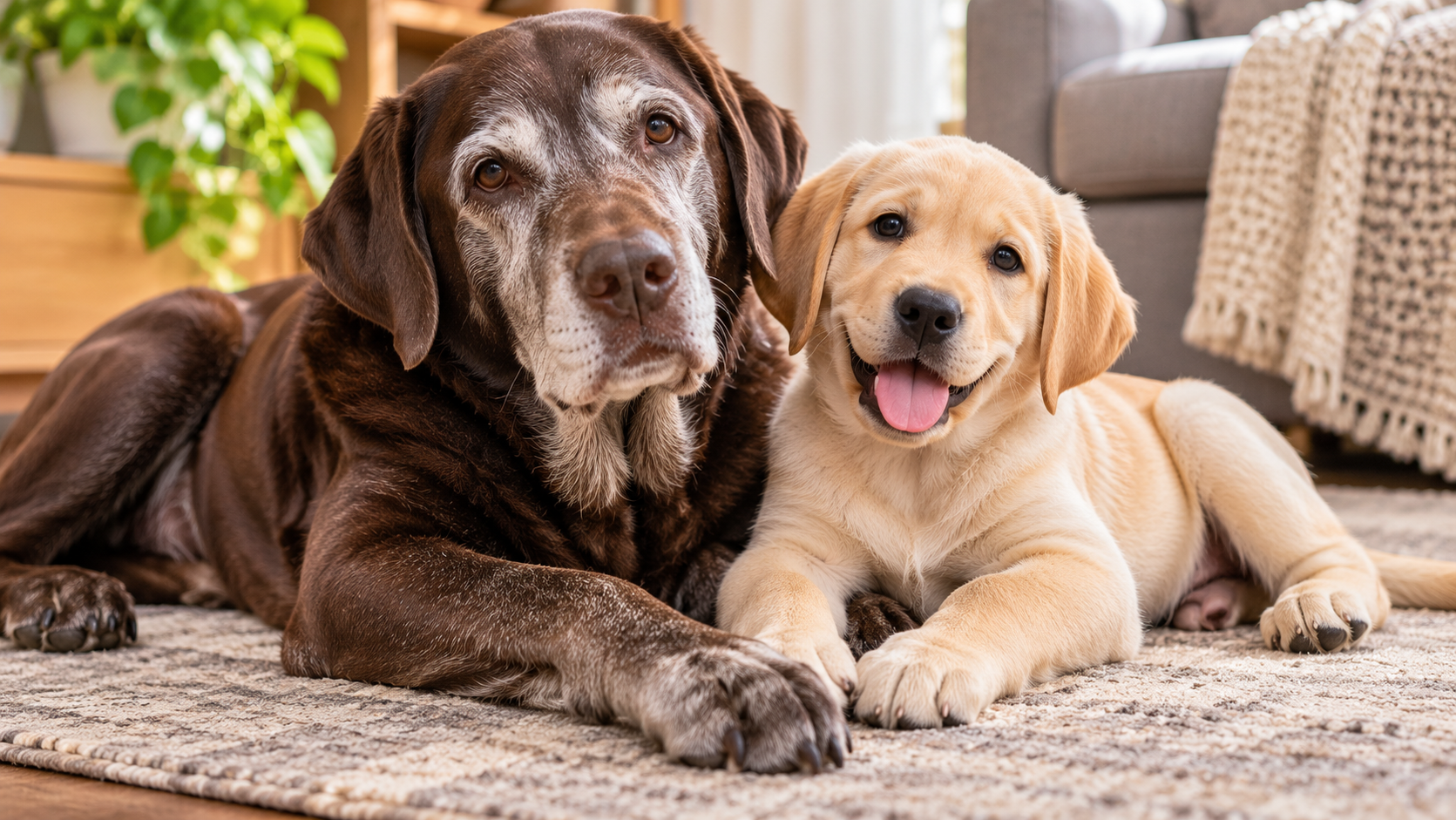
Senior grey-muzzled Labrador lying beside a young Labrador puppy on a rug

The typical life expectancy of a Labrador dog is around 10-12 years, although some Labradors live longer and others have shorter lives. Genetics, inherited health risks and everyday care all play a part in how long an individual dog lives. There is one factor owners have particularly good control over: weight. Labradors love food, can … Read more

Why Does My Dog Eat Grass? Causes + When to Worry (2026)

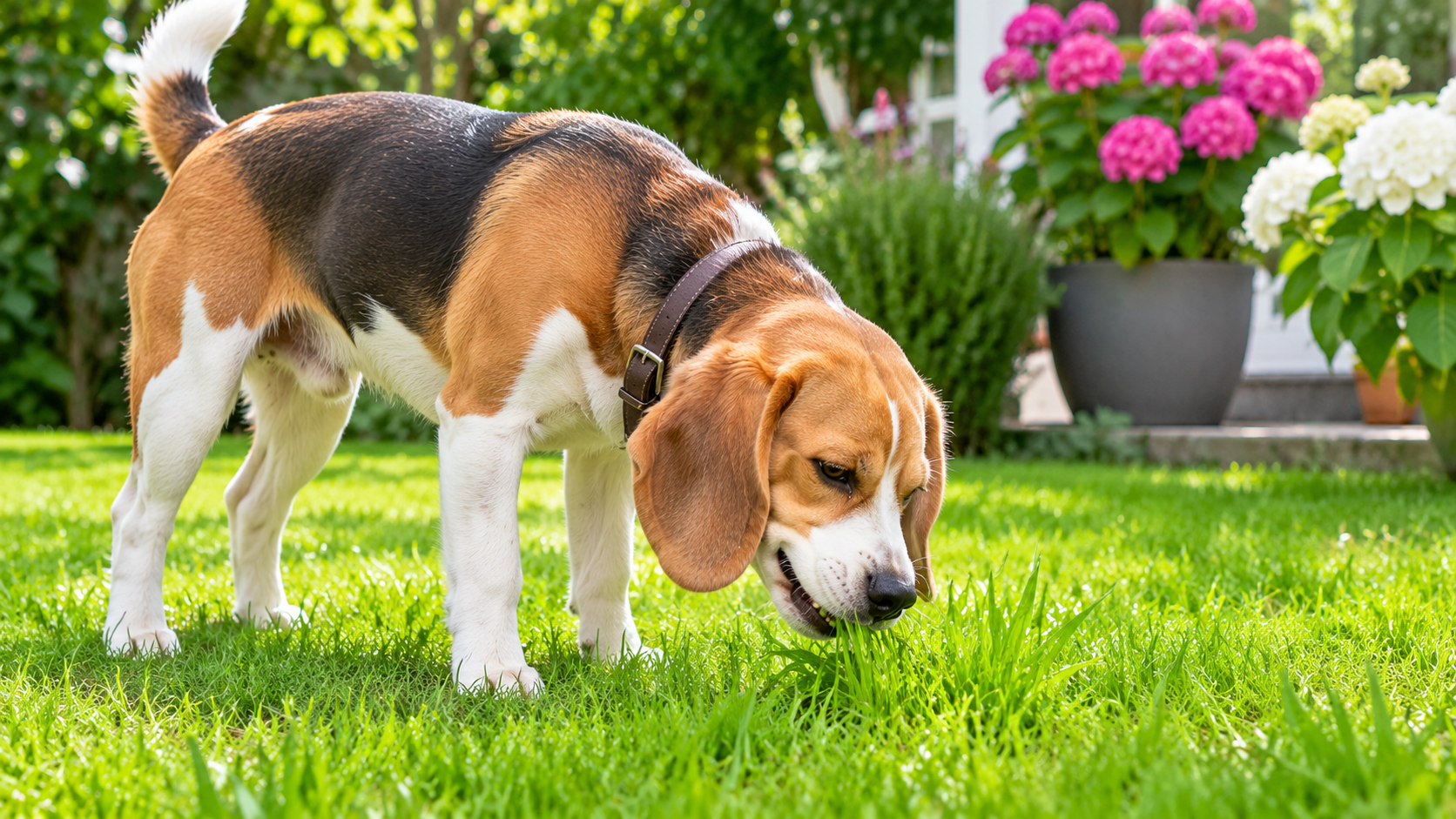
Healthy dog nibbling grass in a sunny green garden

Why does my dog eat grass? The short answer Most dogs eat grass because they enjoy it. The taste, texture, smell, or simple habit can make a patch of grass a snack on a walk. Most do not appear ill before grabbing a mouthful, and most have no problems afterwards. A smaller group of dogs … Read more

Mini Husky: Size, Temperament + Care Guide (2026)

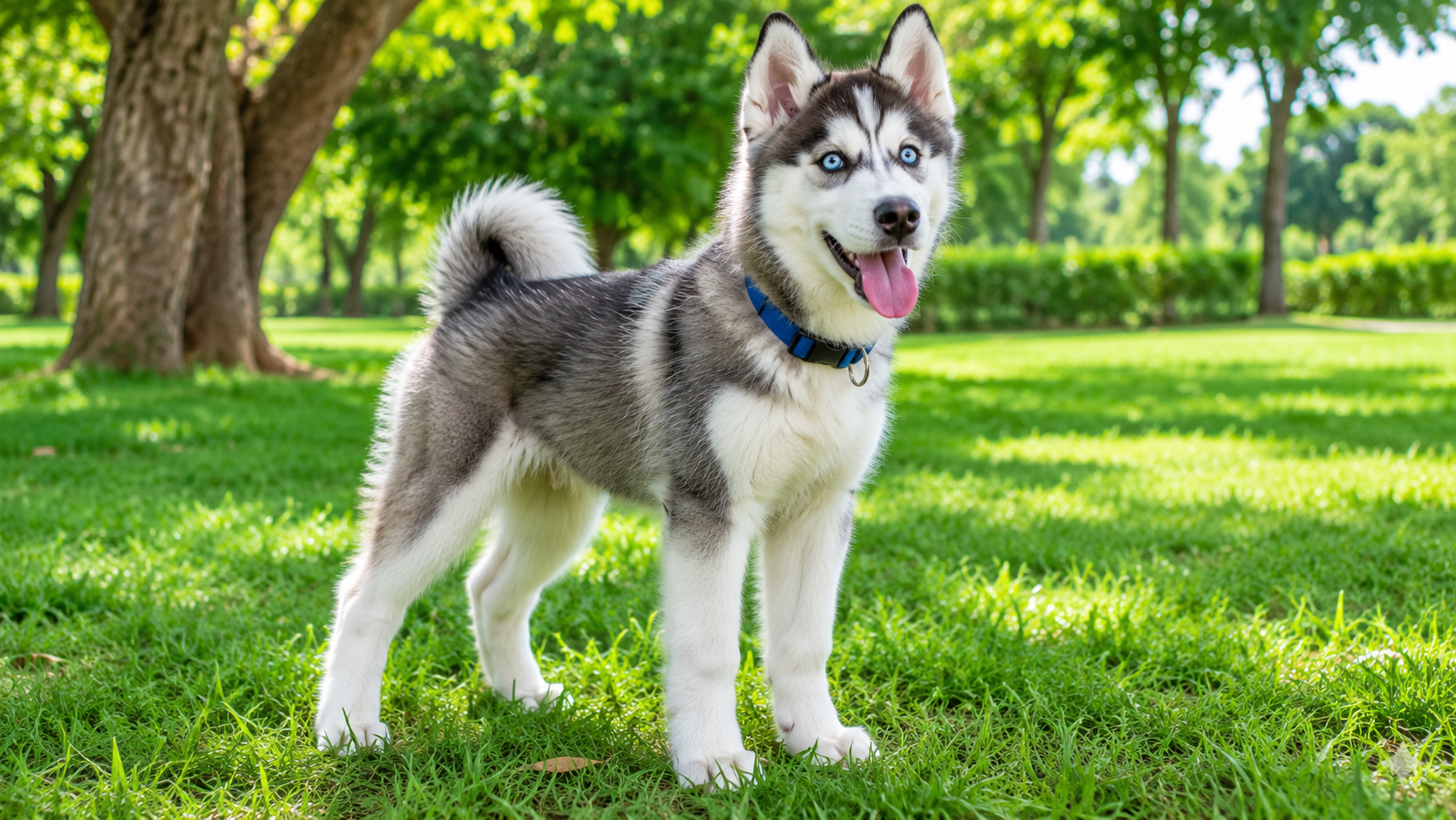
Small husky with blue eyes standing alert in a green park

Mini husky: the short answer A Miniature Husky is a smaller-sized Siberian Husky, bred to retain the familiar appearance and personality of the standard Siberian Husky in a more compact body. It is not a separate breed in the same sense as the Siberian Husky, and it is not the same dog as an Alaskan … Read more

Best Dog Food for Allergies: How to Choose (2026)

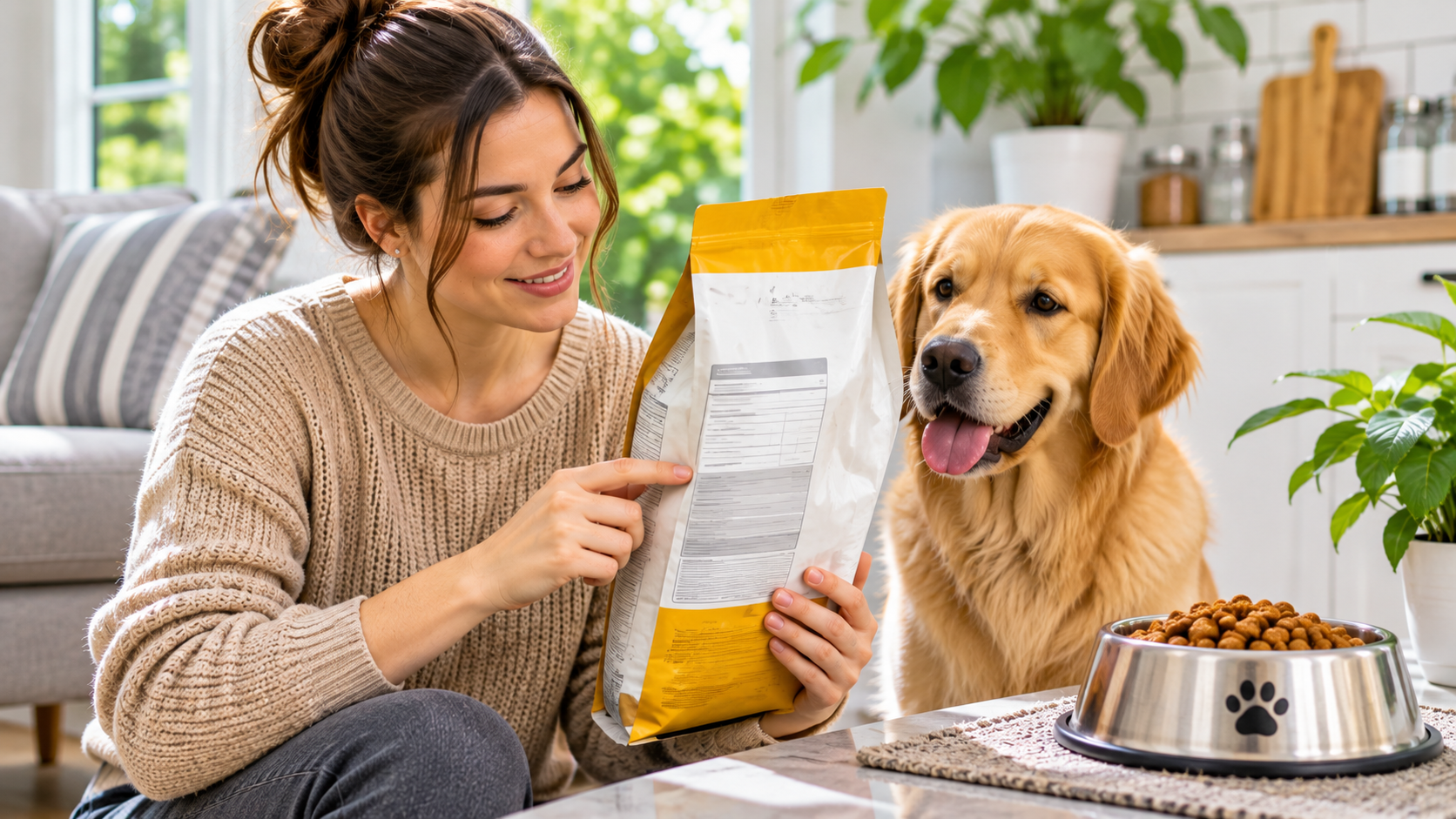
Dog owner reading the ingredient panel on a dog food bag at home with their dog beside them

The best dog food for allergies is not necessarily the most expensive food, the one with the fewest ingredients, or a product marketed as hypoallergenic. It is the food that avoids the specific ingredient causing a dog’s reaction. That sounds straightforward, but finding the trigger takes some work. Itching, paw licking, recurring ear problems, and … Read more

Pomsky Full Grown: Size, Weight + When They Stop Growing (2026)

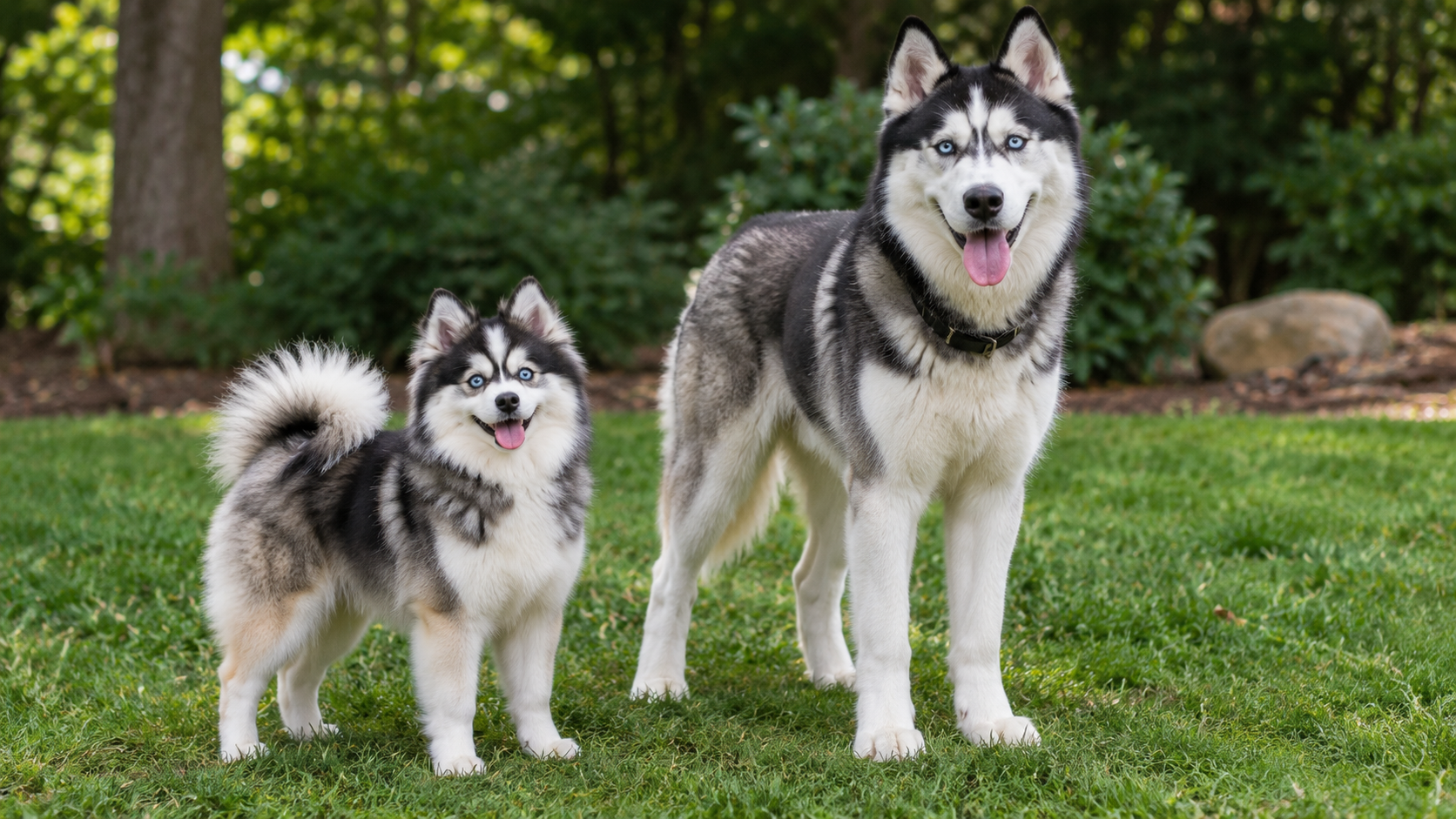
Full-grown pomsky standing beside a Siberian husky showing the size difference

Pomsky full grown: the short answer A full-grown Pomsky typically stands around 25–38 cm (10–15 inches) tall at the shoulder and weighs approximately 7–17 kg (15–38 lb). These are broad estimates, not fixed breed standards. Some Pomskies fall outside these ranges, depending on their parents, genetics, and generation. A Pomsky is a cross between a … Read more

Cavapoo Full Grown: Size, Weight + When They Stop Growing (2026)

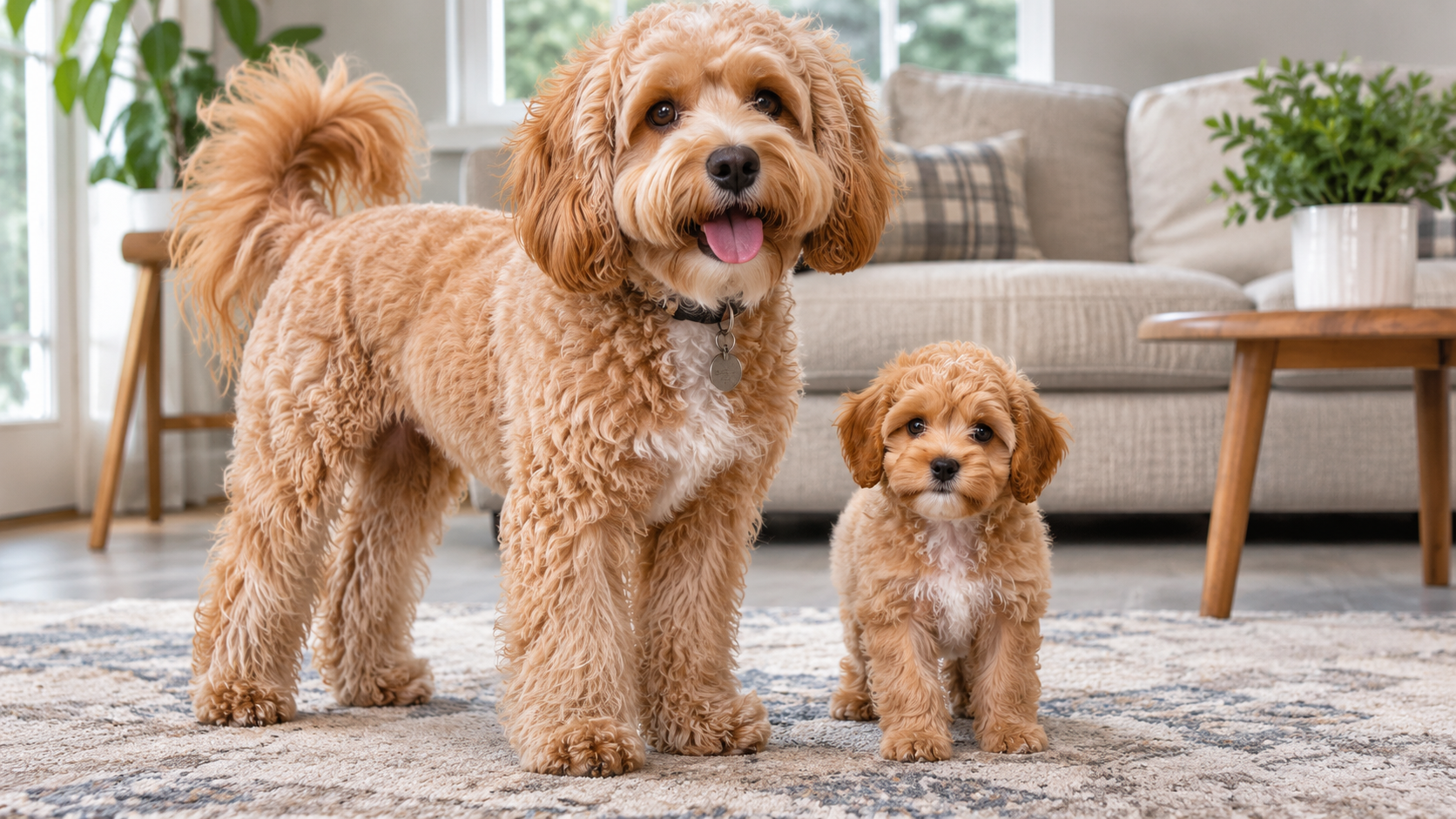
Full-grown apricot cavapoo standing beside a cavapoo puppy showing adult size

A Cavapoo can be a tiny lap dog or a noticeably sturdier small dog, depending largely on the size of its Poodle parent. That is why two fully grown Cavapoos can look surprisingly different, even when they share the same Cavalier King Charles Spaniel and Poodle mix. Most full-grown Cavapoos stand around 23–38 cm (9–15 … Read more

Psyllium Husk for Dogs: Benefits, Dosage + Safety (2026)

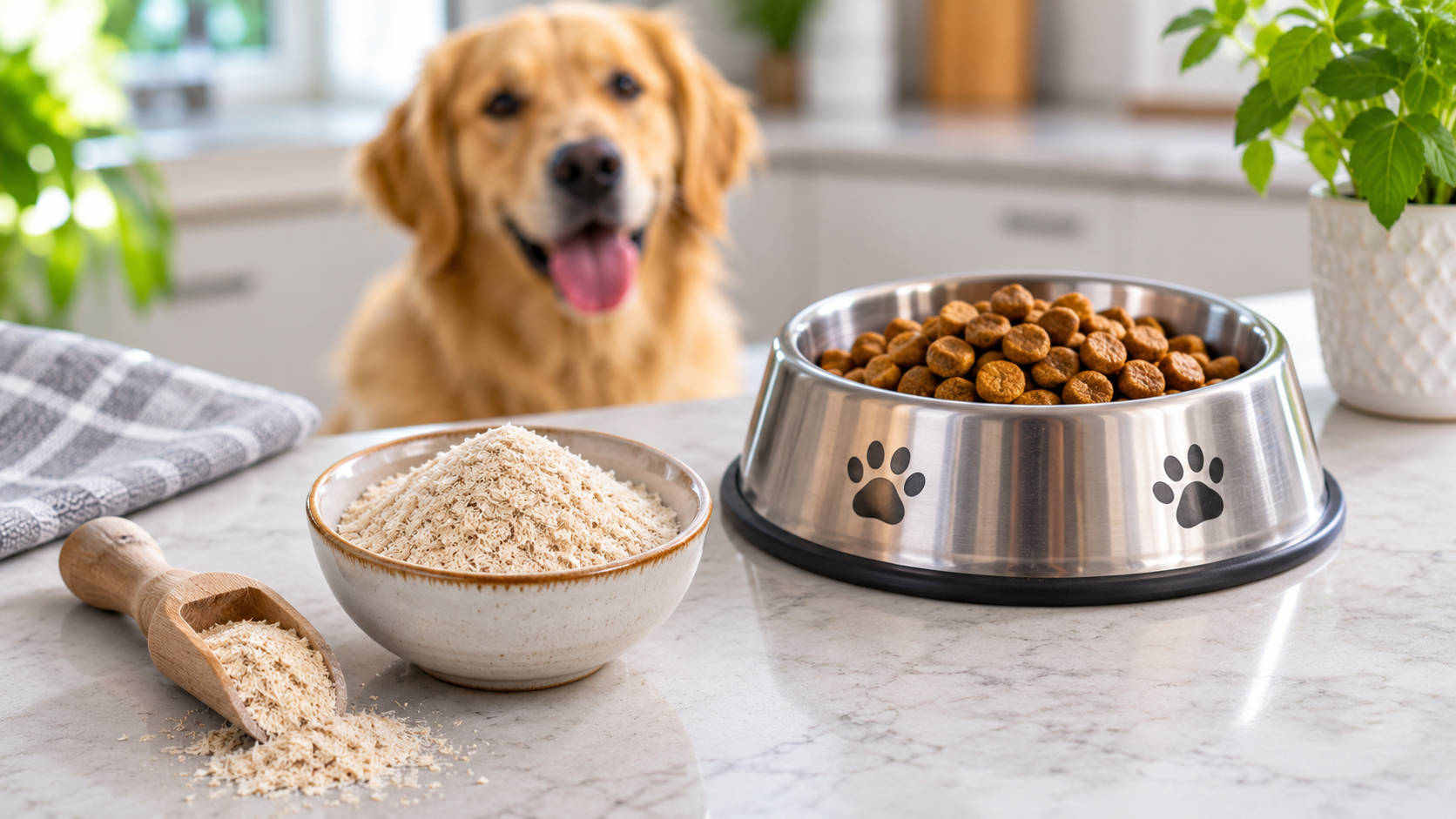
Bowl of psyllium husk powder beside a dog food bowl on a kitchen counter

Psyllium husk is a soluble-fiber supplement that can help support more consistent stools. It holds water in the gut, helping loose stool gain shape and hard stool retain moisture. Psyllium husk for dogs: the short answer Plain psyllium is a soluble fiber that may firm loose stools and keep hard stools softer. Introduce it gradually. … Read more

Why Do Dogs Eat Poop? Causes + How to Stop It (2026)

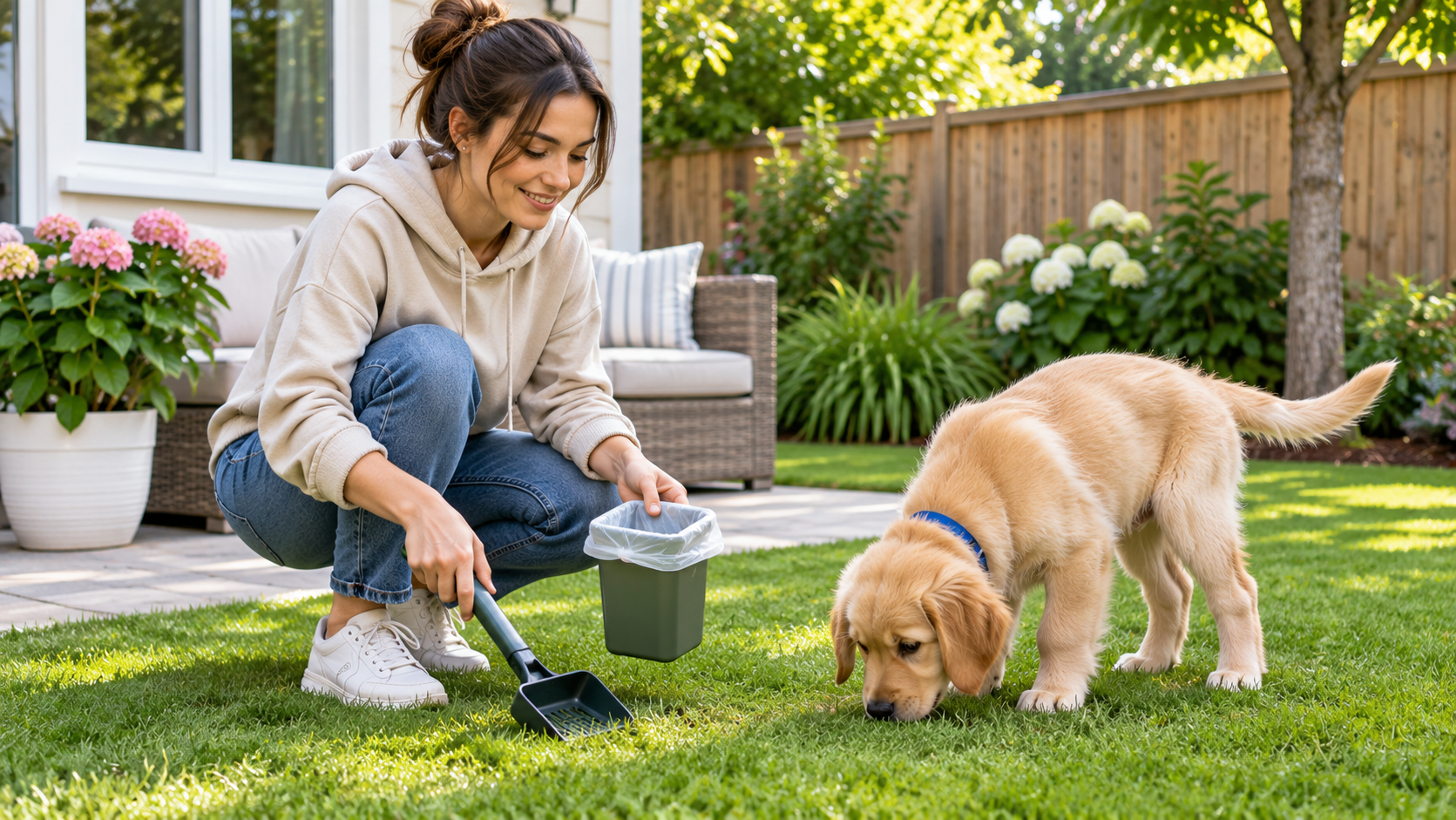
Puppy sniffing the ground in a backyard while its owner holds a waste scoop

Why do dogs eat poop? The short answer Dogs eat poop for several reasons. Some like the smell or taste, some learn the habit as puppies, and others do it because they are bored, hungry, or have learned that it gets a reaction from their owner. Stool with more undigested food can also be appealing. … Read more

CanineCalc
Privacy Overview

This website uses cookies so that we can provide you with the best user experience possible. Cookie information is stored in your browser and performs functions such as recognising you when you return to our website and helping our team to understand which sections of the website you find most interesting and useful.