A puppy can look almost fully grown and still have months of development ahead. Small breeds usually finish growing sooner, while large and giant breeds may continue growing for 18–24 months.
The tricky part? Adult height, adult weight, and physical maturity don’t happen at exactly the same time. Knowing which stage your puppy has reached makes it easier to plan feeding, exercise, and routine care.
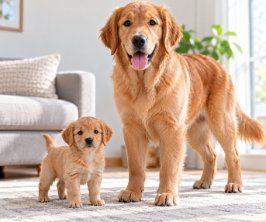
When Do Puppies Stop Growing by Breed Size?
When do puppies stop growing? Most small dogs reach their adult size between 6 and 12 months, medium dogs around 12 months, large dogs between 12 and 18 months, and giant breeds between 18 and 24 months. These are general ranges, not deadlines. Breed, genetics, nutrition, and individual development all affect the timeline.
According to VCA Animal Hospitals, small breeds typically reach adult size between 6 and 12 months, while large breeds often need 12–18 months. Giant breeds, including some Mastiffs, may continue growing until around two years of age. Read VCA’s puppy growth and maturity guidance.
The difference can be substantial. A Chihuahua may approach adult size while a Great Dane of the same age still has considerable skeletal development ahead. Comparing puppies by age alone can therefore be misleading.
Puppy growth timeline by size
| Breed size | Typical age range | What to expect |
|---|---|---|
| Toy | 6–12 months | Rapid growth generally slows relatively early |
| Small | 6–12 months | Adult size is often reached within the first year |
| Medium | Around 12 months | Growth usually slows near the end of the first year |
| Large | 12–18 months | Height and skeletal development may continue into adolescence |
| Giant | 18–24 months | Some dogs take close to two years to finish growing |
Why breed size changes the timeline
Smaller dogs generally reach their adult size sooner. Larger dogs need more time for their bones and body proportions to develop.
What most guides skip is that a slowing growth rate doesn’t mean growth has ended. A puppy’s height may level off while its body continues gaining muscle and filling out.
Source: Salt et al. (2017), PLOS ONE — evidence-based canine growth standards.
The research provides a useful foundation. Salt and colleagues published canine growth standard charts in 2017 using records from more than six million young dogs attending veterinary hospitals in the United States. The charts show how expected bodyweight trajectories vary by breed, sex, and neuter status; they are monitoring tools, not exact predictions for every puppy. Read the 2017 canine growth standards study.
What Does It Mean When a Puppy Stops Growing?
When a puppy stops growing, the meaning depends on what you’re measuring. Adult height refers to the dog’s final skeletal stature; adult weight includes the muscle and body tissue developed as the dog matures; physical maturity includes broader changes beyond size. These milestones overlap, but they are not interchangeable.
According to the AKC, a puppy’s long bones grow through areas called growth plates, which gradually harden and close as skeletal development finishes. Once those plates close, the bones no longer lengthen. Muscle development and changes in body composition can continue afterward. Learn how growth plates affect puppy development.
Here’s the thing: a dog can stop getting taller without looking fully adult. A lean adolescent may develop a broader chest and more muscle over the following months, even when its height barely changes.
The three finish lines
Adult height
The dog has nearly reached its final height and skeletal length. This is often the first obvious sign that rapid growth is ending.
Adult weight and body shape
Weight may continue to rise as muscle develops and body proportions change. A rising number on the scale alone doesn’t prove that the puppy is still getting taller.
Physical maturity
Adult proportions, muscle development, and overall body condition take time to settle. Behavioral maturity is another process and may lag behind physical development.
How to tell which stage your puppy has reached
When it comes to puppy size, a few things make a real difference.
- Measure shoulder height consistently, using the same method each time.
- Record weight regularly and compare the trend with an appropriate growth chart.
- Ask your veterinarian to assess body condition and development if growth seems unusually slow, rapid, or uneven.
A single measurement tells you little. Several measurements taken over weeks or months provide a much clearer picture.
Related: Puppy Growth Chart Predictor
The Puppy Growth Chart Predictor is the companion resource for tracking changes over time. Use it for growth monitoring rather than treating an estimated adult-size percentage as proof that skeletal development is complete.
Quick Comparison: Height, Weight, and Maturity
The three milestones answer different questions. Use the comparison below to decide what to monitor and when to seek individualized advice.
| Option | Best For | Key Benefit | Limitation |
|---|---|---|---|
| Height measurements | Checking whether skeletal growth is slowing | Helps reveal changes in stature | Small measurement errors can obscure gradual growth |
| Weight tracking | Monitoring bodyweight trends | Shows whether weight is still changing | Weight alone cannot distinguish healthy growth from excess fat |
| Growth charts | Comparing progress with an expected trajectory | Adds age and size context | Charts cannot predict an individual puppy perfectly |
| Veterinary assessment | Interpreting unusual growth patterns | Considers body condition and health | Requires an individualized assessment |
Related: Puppy Size Calculator
For an individual estimate, try the CanineCalc Puppy Size Calculator. Its growth progress percentage is intended to help estimate how much growth may remain. Treat the result as a prediction, not a veterinary measurement or a guarantee of final size.
What Affects When Puppies Stop Growing?
Breed size is a useful starting point, but it isn’t the only factor. Genetics, nutrition, and individual health can all influence the pace and pattern of development.
Genetics and breed mix
A puppy’s inherited traits influence its likely adult size and growth rate. Purebred puppies often have a more predictable size range, while mixed-breed puppies may inherit growth patterns from parents of different sizes.
That makes early estimates less certain. The thing is, growth doesn’t happen at a steady pace.
Nutrition and healthy development
Puppies need a balanced diet formulated for growth. Too little nutrition can interfere with healthy development, while excessive energy intake can contribute to unwanted weight gain.
Large- and giant-breed puppies need particular care with nutrient balance. Choose an appropriate growth diet and ask your veterinarian when your dog should transition to adult food. Don’t use a puppy’s apparent height as the only reason to change its diet.
Source: VCA Animal Hospitals — puppy growth and maturity.
Growth plates and exercise
Growth plates are developing regions of bone. Their closure marks the end of bone lengthening, which is why the age at which a puppy finishes growing matters when planning strenuous activity.
Large-breed dogs may remain in skeletal development longer than smaller dogs. Avoid assuming that a puppy is ready for repetitive high-impact exercise simply because it looks adult-sized. Ask your veterinarian for advice suited to the dog’s breed, age, health, and activity.
Spaying or neutering and growth
The timing of spaying or neutering may affect growth-plate closure. Research has examined differences associated with neuter status, but the findings do not establish one ideal age for every dog.
Studies differ on the size and practical importance of these effects across breeds and circumstances. Decisions about timing should account for the individual dog’s health, breed-related risks, and veterinary guidance—not a blanket rule about growth.
What Should Puppy Owners Do While Their Dogs Are Growing?
The timeline becomes more useful when it informs everyday decisions. You don’t need to know the exact day growth ends; you need a reasonable estimate and a way to monitor progress.
A simple growth-monitoring routine
To monitor your puppy’s development, follow these steps:
- Record your puppy’s age, weight, and height.
- Compare the measurements with a suitable growth chart.
- Review the trend with your veterinarian when growth changes seem unusual.
Keep the records consistent. This works best when measurements are taken regularly and interpreted alongside body condition; it won’t diagnose a medical problem or replace a veterinary examination.
When to switch from puppy food
There isn’t one transition age that suits every dog. Small breeds may be ready earlier than large and giant breeds, whose growth and nutritional needs can extend further into adolescence.
Some experts favor using age and breed size as the starting point. That’s a useful approach for routine planning, but if your puppy has a medical condition, an unusual growth pattern, or specific nutritional needs, individualized veterinary advice takes priority.
Quick note: follow the feeding guidance for your puppy’s food and discuss the transition with your veterinarian rather than changing diets solely because the dog looks grown.
How to approach exercise
Regular movement and play support healthy development. The aim is to avoid treating a growing puppy like an adult endurance athlete before its body is ready.
For large and giant breeds, discuss running, repetitive jumping, and demanding sports with your veterinarian, especially while growth plates may still be open. Exercise needs vary with the individual dog, so avoid relying on a single age cutoff for every breed.
Related: How Big Will My Puppy Get
If you’re still wondering about your dog’s likely final size, How Big Will My Puppy Get explores that related question. Pair an estimate with actual growth records to make a more informed assessment.
Five Common Questions About Puppy Growth
Q: What’s the best way to tell if my puppy has stopped growing?
Track height and weight over time, and compare the trend with an appropriate growth chart. Your veterinarian can help determine whether the changes fit your puppy’s expected development.
Q: How do I estimate when my puppy will reach adult size?
Start with breed size and age. Small breeds often finish growing within 6–12 months, while large and giant breeds may take 12–24 months.
Q: Should I switch my puppy to adult food when it stops getting taller?
Not automatically. Nutritional needs depend on breed size, age, growth, and the specific diet. Ask your veterinarian when a transition is appropriate for your dog.
Q: Why does my puppy keep gaining weight after getting taller?
Muscle, body composition, and overall development can continue changing after height growth slows. Regular weight tracking and body-condition checks help distinguish healthy development from excess weight gain.
Q: When should I ask a veterinarian about my puppy’s growth?
Seek veterinary advice if growth appears unusually slow or rapid, weight changes unexpectedly, development seems uneven, or you notice other signs of illness. A growth chart cannot rule out an underlying health problem.
The Bottom Line: When Do Puppies Stop Growing?
Most small puppies reach adult size within their first year, while large and giant breeds may continue growing until 18–24 months. The exact timing depends on the dog.
Remember the three finish lines: height, weight, and physical maturity. They don’t necessarily arrive together.
Start with breed size, monitor growth over time, and use a veterinary assessment when you need an individualized answer. If you’re curious about how much growing may remain, the CanineCalc Puppy Size Calculator can provide an estimate to discuss alongside your puppy’s actual measurements.
Related: Puppy Size Calculator