Toy dog breeds: the short answer
Toy dog breeds are small dogs bred primarily for companionship. Many weigh under 10 pounds as adults, while others fall closer to 10–15 pounds or exceed that range. They are popular with people who want an affectionate companion that can fit comfortably into a smaller home, join everyday outings, and enjoy spending time close to their family.
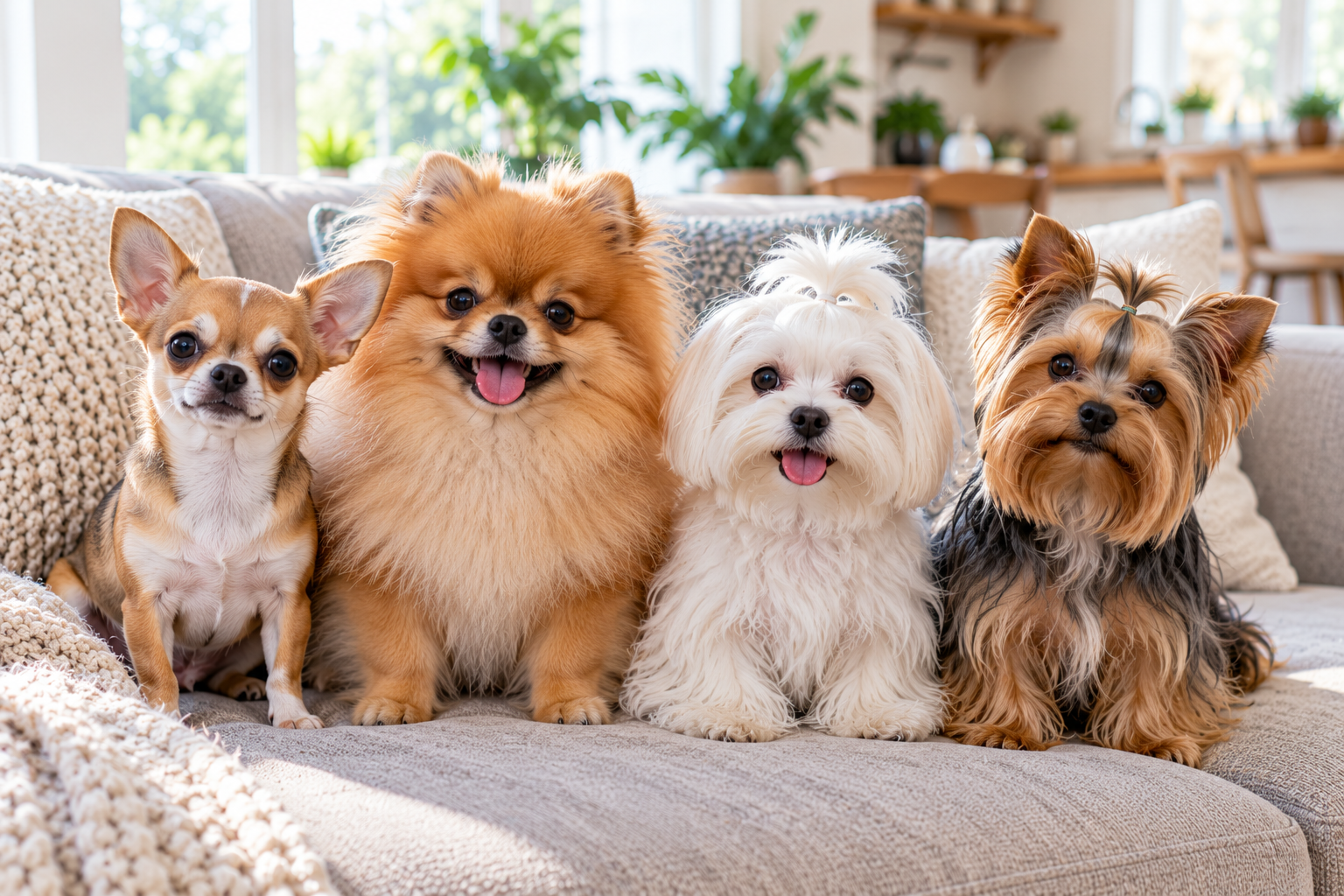
The term toy breed has a specific meaning in dog organizations. The American Kennel Club (AKC) maintains a Toy Group that includes breeds such as the Chihuahua, Pomeranian, Pug, Shih Tzu, Maltese, Yorkshire Terrier, Toy Poodle, Cavalier King Charles Spaniel, Papillon, and Italian Greyhound. These dogs vary considerably in appearance, personality, exercise needs, and grooming requirements. See the AKC’s official breed-group list.
One important distinction: toy does not mean a dog must weigh less than a particular number of pounds. Breed-group classification and adult size are related, but they are not interchangeable. Some small dogs belong to other AKC groups, and some Toy Group breeds are larger than people expect.
The best toy breed for your home depends on more than its size. Consider its energy level, coat maintenance, barking tendencies, training needs, and comfort around children before making your choice.
Toy dog breeds comparison chart
This chart compares ten well-known toy breeds to help narrow your options. Weight and height figures are general adult ranges based on commonly published breed standards and profiles. Individual dogs can vary, and some official standards specify an ideal weight rather than a broad range.
| Breed | Typical adult weight | Typical height | Coat type | Energy level | Grooming needs |
|---|---|---|---|---|---|
| Chihuahua | 2–6 lb | 5–8 in | Smooth or long | Moderate | Low to moderate |
| Pomeranian | 3–7 lb | 6–7 in | Long, dense double coat | Moderate to high | High |
| Pug | 14–18 lb | 10–13 in | Short, smooth coat | Low to moderate | Low to moderate |
| Shih Tzu | 9–16 lb | 9–10.5 in | Long, flowing coat | Low to moderate | High |
| Maltese | Under 7 lb | 7–9 in | Long, silky coat | Moderate | High |
| Yorkshire Terrier | Around 4–7 lb | 7–8 in | Long, silky coat | Moderate to high | High |
| Toy Poodle | Around 4–6 lb | Up to 10 in | Curly coat | Moderate to high | High |
| Cavalier King Charles Spaniel | 13–18 lb | 12–13 in | Silky coat with feathering | Moderate | Moderate to high |
| Papillon | 5–10 lb | 8–11 in | Long, silky coat | High | Moderate |
| Italian Greyhound | 7–14 lb | 13–15 in | Short, fine coat | Moderate to high | Low |
Energy and grooming ratings are practical estimates, not guarantees of an individual dog’s behavior. A short-coated dog may still shed considerably, and a small dog can need plenty of daily activity.
The chart also shows why the smallest dog is not automatically the easiest to own. A Toy Poodle may need regular professional grooming, a Papillon may enjoy active training sessions, and a Pug’s exercise plan needs to account for its short muzzle and breathing limitations.
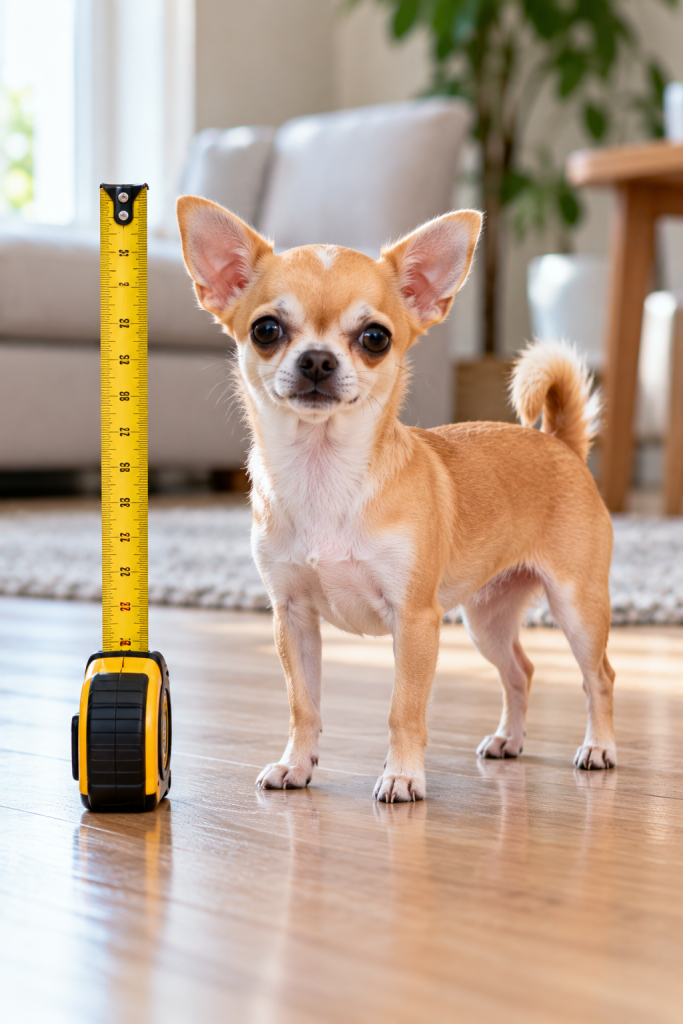
What toy breeds have in common
Companion-focused personalities. Many toy breeds were developed to live closely with people. They often enjoy cuddling, following family members around the house, and participating in daily routines. However, affection varies by breed and individual, and a small dog still needs boundaries, socialization, and training.
Adaptability to smaller homes. Toy breeds can be excellent apartment companions because they need relatively little indoor floor space. They still need suitable walks, play, mental stimulation, and opportunities to explore. Living in a small home does not eliminate a dog’s exercise requirements.
Portability. Their compact size can make transport easier, whether you are visiting friends or taking a trip. That convenience should never replace safe handling, suitable travel restraints, or appropriate exercise. Not every toy dog enjoys being carried or traveling frequently.
Potentially longer lifespans. Small dogs often live longer than giant breeds, and many toy breeds reach their teens. Breed, genetics, preventive care, lifestyle, and individual health all influence lifespan, so there is no guaranteed number of years.
A need for thoughtful handling. Their small bodies can make falls, accidental stepping, rough play, and jumping from furniture more dangerous. Children should learn to approach dogs calmly, support them correctly when handling is appropriate, and respect their need for space. Young children should always be supervised around any dog.
Toy breed challenges owners underestimate
Small dogs have plenty of personality, but their everyday care involves a few challenges that prospective owners sometimes overlook.
Barking and alertness. Some toy breeds are quick to announce visitors, hallway noises, other dogs, or movement outside a window. A small body does not mean a quiet temperament. Early socialization, rewarding calm behavior, and managing triggers can help prevent alert barking from becoming a constant problem.
House-training patience. Small dogs have small bladders, and puppies may need frequent opportunities to go outside. Consistent routines, timely rewards, supervision, and cleaning accidents thoroughly are more effective than punishment. Expect progress to take time rather than assuming a toy breed will learn immediately.
Dental care. Small mouths can leave limited room for a dog’s teeth, making oral hygiene especially important. Establish a toothbrushing routine with dog-specific toothpaste and maintain regular veterinary dental checks. Bad breath, red gums, difficulty chewing, or a change in eating habits warrant veterinary attention. The American Veterinary Medical Association’s pet dental care guidance offers further information.
Separation-related distress. Dogs that spend much of their time with their owners may struggle when left alone. This is not inevitable in every toy breed, but it is worth planning for. Gradual, positive practice with short periods alone, comfortable resting spaces, and appropriate enrichment can help. Persistent distress or destructive behavior may require guidance from a qualified professional.
Cold sensitivity. Small bodies lose heat quickly, particularly in dogs with thin coats or little body fat. Short-haired breeds may need an appropriately fitted coat in cold weather. Watch your dog for shivering, reluctance to walk, or attempts to seek warmth, and adjust outdoor time to the conditions.
Choosing the right toy breed
The right choice starts with an honest look at your daily routine rather than a list of the cutest or most popular breeds.
Match energy to your lifestyle. If you prefer relaxed evenings and gentle walks, consider a breed whose exercise needs fit that routine. If you enjoy teaching tricks, playing games, or taking longer walks, a more active companion may suit you better. Even lower-energy dogs need regular movement and engagement.
Be realistic about grooming. Long, silky, or curly coats often need frequent brushing and regular trimming. Budget time and ongoing grooming expenses before choosing a high-maintenance coat. A short-haired breed may be simpler to brush, but that does not mean it will never shed or need routine care.
Think about noise tolerance. If you share walls with neighbors or work from home, pay attention to barking tendencies. Training can help, but breed tendencies and individual temperament matter. Ask whether you can meet adult dogs of a breed and observe how they respond to unfamiliar sounds.
Consider the children in your household. Some toy breeds can thrive in families with respectful children, but size creates a real handling concern. A home with toddlers or children who are still learning to interact gently with animals may be better suited to a sturdier dog. Supervision, gentle handling, and a safe place where the dog can rest undisturbed are essential.
Assess your experience level. Some toy breeds can be rewarding first dogs, but no breed is automatically easy. Barking, house-training, grooming, and separation-related issues can challenge new owners. Look for a temperament and care routine that you can manage consistently.
Finally, remember that popularity is not the same as suitability. The breed receiving the most attention online may not fit your schedule, home environment, or preferred activity level.
If you are unsure how your preferred breed compares with other dogs as it grows, the CanineCalc Puppy Size Calculator can help with general size estimates.
Use size as one part of your decision, alongside temperament, health considerations, and the responsibilities of long-term care.
Frequently asked questions
What is the smallest toy dog breed?
The Chihuahua is widely recognized as the smallest dog breed by typical adult size. The AKC’s breed profile gives a height of about 5–8 inches and a breed-standard weight not exceeding 6 pounds. Individual dogs can differ, and choosing a healthy dog matters more than seeking the smallest possible size.
Are toy dogs good for apartments?
Yes, many toy breeds adapt well to apartment living. Their compact size is helpful, but they still need exercise, enrichment, training, and toilet breaks. Barking habits and comfort around shared spaces are also important when choosing an apartment companion.
Do toy dogs bark a lot?
Some toy breeds are vocal, particularly when alerting their owners to unfamiliar sounds or activity. Others are quieter. Socialization, teaching a calm response, and providing sufficient activity can help, although training cannot guarantee that a naturally alert dog will never bark.
Are toy breeds good with children?
Some are, especially in homes where children understand how to interact gently with dogs. However, toy breeds can be vulnerable to injuries from accidental falls, squeezing, or rough play. Always supervise interactions, and consider a sturdier breed if young children cannot reliably handle a tiny dog safely.
How long do toy dogs live?
Many toy breeds live roughly 12–16 years, and some live longer. Lifespan varies by breed and individual, including genetics, health, and care. Regular veterinary visits, appropriate nutrition, dental care, exercise, and preventive care all support a dog’s long-term well-being.
Conclusion: Finding your ideal toy dog breed
Toy dog breeds offer plenty of variety, from the lively Papillon to the affectionate Cavalier King Charles Spaniel and the compact Chihuahua. Their small size can suit many homes, but their exercise, grooming, training, and health needs deserve just as much attention as those of larger dogs.
Use the comparison chart to narrow your choices, then focus on the individual breed’s temperament and everyday care requirements. The best companion is not necessarily the smallest or most popular one. It is the dog whose needs and personality fit your household and whose care you can comfortably support for years to come.
By Jennifer, founder of CanineCalc, dog owner and researcher.