Most famous dog breeds: the short answer
The most famous dog breeds became household names for different reasons. Some earned recognition through history and public service, like the German Shepherd and Labrador Retriever. Others became cultural icons through film and television, including the Rough Collie known as Lassie and the German Shepherd associated with Rin Tin Tin. Working dogs such as the Border Collie and Saint Bernard gained recognition for their remarkable abilities, while the Labrador Retriever and French Bulldog are also widely known as companion breeds.
There is no single worldwide ranking that measures every kind of canine fame. A breed can be famous because of one extraordinary dog, an important working role, a beloved fictional character, or generations of popularity as a family companion.
The following breeds represent these different routes to recognition. Their stories explain not only why people recognize them, but also what prospective owners should understand about their general characteristics and needs.
The most famous dog breeds
1. German Shepherd
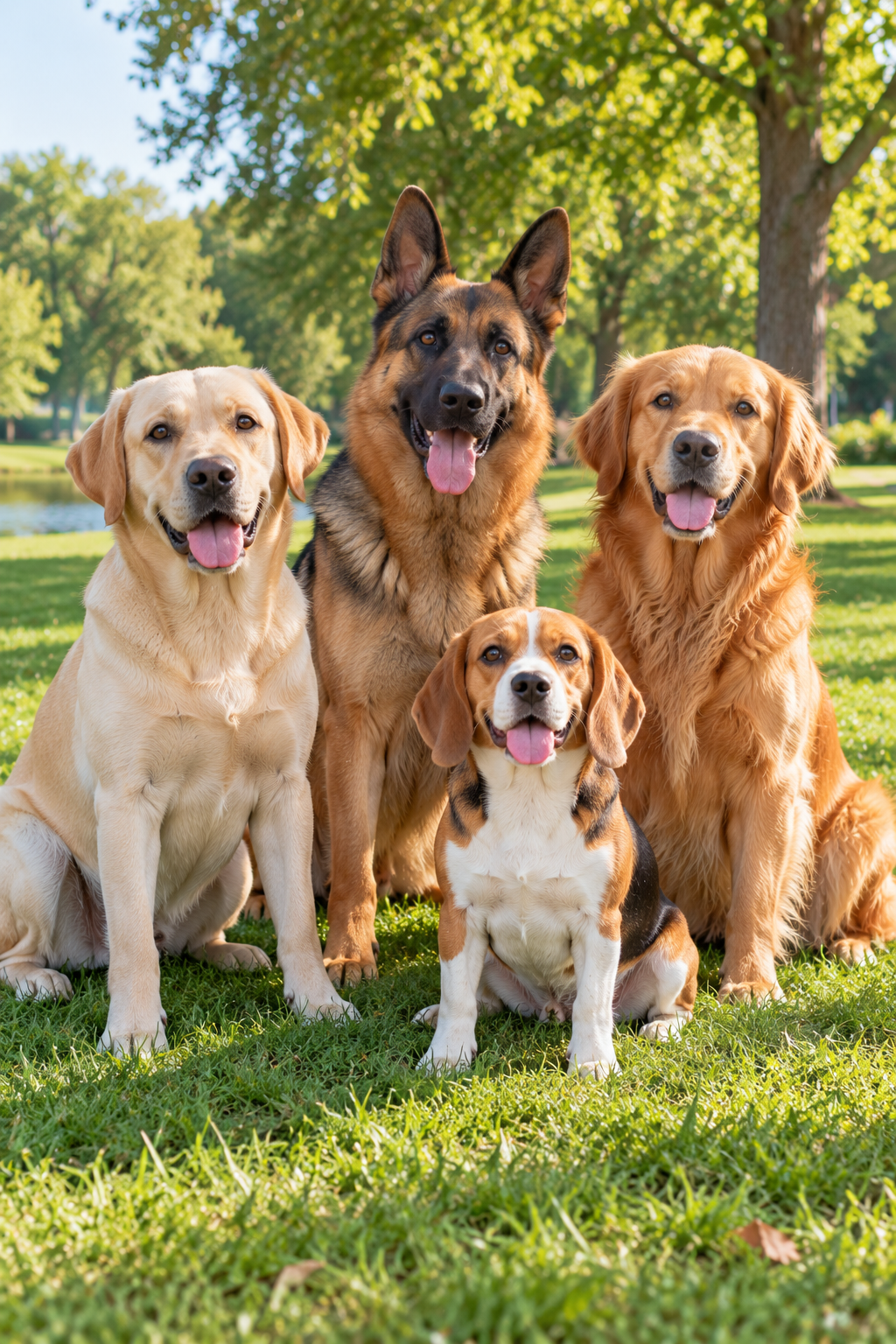
Why it is famous: The German Shepherd became internationally recognized for its intelligence, versatility, and work in public service. The breed developed in Germany as a herding dog before becoming prominent in police work, military service, and entertainment. Its reputation grew internationally after World War I, helped by canine film stars such as Rin Tin Tin.
German Shepherds are large, athletic dogs known for their alertness, loyalty, and trainability. They typically need substantial exercise, mental stimulation, and consistent training. Their famous working reputation does not mean every German Shepherd is naturally suited to protection work or an inexperienced owner.
2. Rough Collie
Why it is famous: Lassie made the Rough Collie one of the most recognizable dogs in popular culture. The character originated in Eric Knight’s novel Lassie Come-Home, which inspired the 1943 film starring a Rough Collie named Pal. Later films and television adaptations helped cement the breed’s image as a loyal, courageous companion.
Rough Collies are medium-to-large herding dogs generally known for their responsiveness and gentle nature. Their long coats require regular brushing, especially during shedding seasons. The breed’s calm, protective image on screen should not replace an assessment of an individual dog’s personality, exercise requirements, and grooming needs.
3. Labrador Retriever
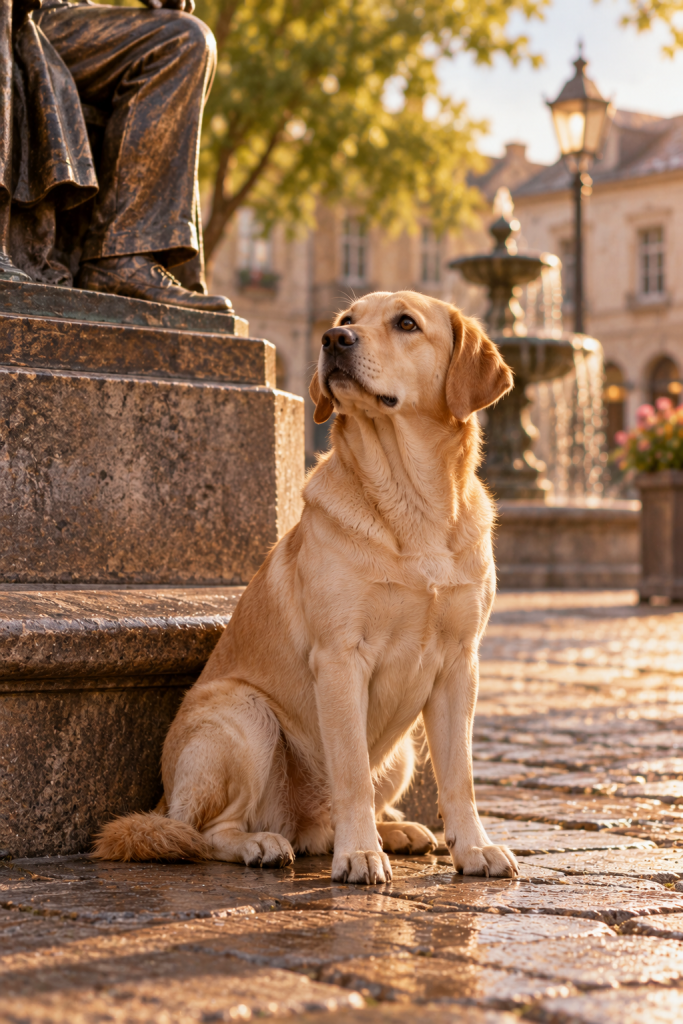
Why it is famous: The Labrador Retriever owes its fame to a combination of working ability and widespread appeal as a companion. Labradors were developed as retrieving dogs associated with hunting and water work. Their willingness to work with people has also made them valuable in assistance and other service roles.
Their popularity is reflected in American Kennel Club registration rankings: the Labrador ranked second in the United States in 2025, behind the French Bulldog.
Labs are medium-to-large dogs, usually outgoing, energetic, and enthusiastic about activities with their families. Regular exercise and training are important, particularly when they are young. Their friendly reputation should not be confused with being low-maintenance.
4. Akita
Why it is famous: Hachiko, an Akita remembered for waiting for his owner after the owner’s death, became an enduring symbol of loyalty in Japan and internationally. Hachiko’s story has been commemorated by statues and retold in films, helping introduce many people to the breed.
Akitas are large, powerful dogs with a dignified, independent temperament. They can be deeply devoted to their families, but often benefit from experienced handling, early socialization, and thoughtful introductions to unfamiliar animals and people. Their quiet appearance can disguise considerable strength and independence.
5. Siberian Husky
Why it is famous: The Siberian Husky is closely associated with sled-dog travel and endurance in cold climates. One particularly famous Husky, Balto, led the final leg of a 1925 relay delivering diphtheria antitoxin to Nome, Alaska. The emergency journey made Balto a celebrated figure, and his statue remains a recognizable landmark in New York City’s Central Park.
Siberian Huskies are medium-sized, energetic dogs bred for endurance. They commonly have thick double coats, shed heavily, and need substantial daily activity. Their athleticism, independence, and tendency to roam mean they require secure management and an owner ready for more than a few short walks.
6. Saint Bernard
Why it is famous: The Saint Bernard became legendary for its association with mountain rescue in the Swiss Alps. Dogs working with monks at the Great St. Bernard hospice were valued for their ability to navigate difficult conditions and help locate travelers in snow. This history helped create the familiar image of the large, dependable rescue dog.
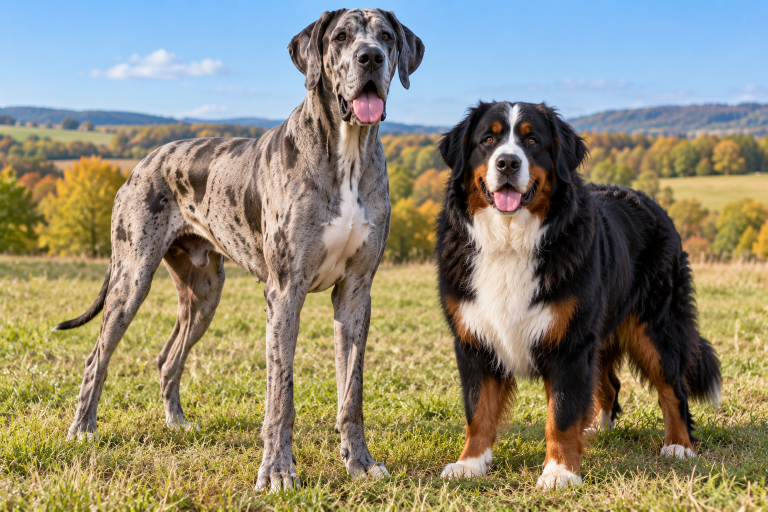
Saint Bernards are giant dogs, generally known for a patient and gentle disposition. Their size affects almost every aspect of ownership, from living space and transportation to food requirements and veterinary expenses. They also need routine coat care and responsible training from an early age.
7. Border Collie
Why it is famous: The Border Collie is celebrated for its exceptional herding ability and responsiveness to human direction. Generations of working selection emphasized practical skills, including controlling livestock through focused attention and precise movement. The breed’s reputation in herding trials and dog sports has made it a household name among people interested in canine intelligence.
Border Collies are medium-sized, athletic dogs that tend to thrive when given a meaningful activity. Walking alone may not provide enough stimulation for some individuals. Training, play, problem-solving activities, and opportunities to use their working instincts can be important parts of daily life.
8. Golden Retriever
Why it is famous: The Golden Retriever became a familiar family companion through its friendly reputation, appealing appearance, and versatility. Originally developed as a retrieving dog, it is widely associated with outdoor activities and cooperative work with people. Its popularity in family-focused advertising, photography, and entertainment has further strengthened public recognition.
Goldens are medium-to-large dogs generally known for their sociable and enthusiastic nature. Their longer coats need regular brushing, and their energy levels call for consistent exercise. A Golden Retriever may be a wonderful match for an active household, but it still needs training, supervision, and individual attention. The Golden Retriever growth chart shows how the breed typically grows month by month.
9. French Bulldog
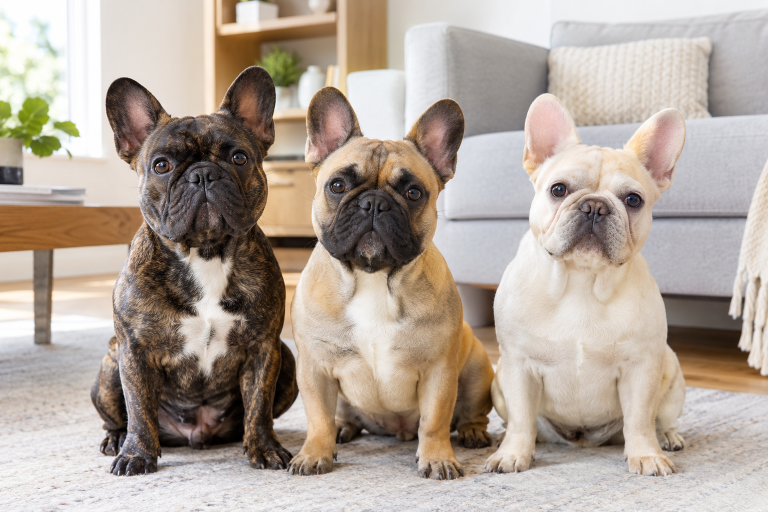
Why it is famous: The French Bulldog has a distinctive silhouette, compact body, and recognizable upright ears. Its size and adaptability have helped it become a familiar companion in urban and suburban settings. In the United States, it ranked first in the American Kennel Club’s 2025 breed registrations, extending its recent run at the top.
French Bulldogs are small, muscular dogs generally known for their affectionate and playful personalities. They often need less endurance exercise than a Husky or Border Collie, but they are not effortless pets. Their short muzzles can contribute to breathing and heat-tolerance concerns, so owners should take care with strenuous activity and hot weather.
10. Dalmatian
Why it is famous: The Dalmatian’s white coat with dark spots makes it one of the easiest breeds to recognize. Its visibility in popular culture grew substantially through Disney’s One Hundred and One Dalmatians, which introduced generations of children to the spotted dog. The breed also has historical associations with carriage dogs and firehouse traditions.
Dalmatians are medium-to-large, athletic dogs that often enjoy running and active play. Their short coat sheds more than some people expect, and their exercise requirements can be considerable. Prospective owners should be prepared to provide daily activity, training, and appropriate socialization rather than choosing the breed for its appearance alone.
11. Beagle
Why it is famous: The Beagle is a familiar scent hound with a recognizable face, floppy ears, and a long history of hunting by scent. Its popularity in books, television, and animation has given it an identity beyond its working origins. Snoopy, the celebrated character from Peanuts, is famously depicted as a Beagle.
Beagles are small-to-medium dogs, often sociable, curious, and enthusiastic about following interesting scents. Their noses can lead them away from their owners, so secure boundaries and reliable management matter. They also benefit from regular exercise, enrichment, and training that takes their scent-driven instincts into account.
Famous dogs vs. popular dogs
A famous breed is not necessarily a popular breed, and a popular breed does not need a celebrity story to become widely recognized.
| Fame route | Example breed | Why it matters when choosing a dog |
|---|---|---|
| Historical and working reputation | German Shepherd | Consider training needs, exercise, and whether you can provide consistent structure. |
| Film and television | Rough Collie | Understand coat maintenance and everyday temperament beyond the screen portrayal. |
| A documented individual dog’s story | Akita | Research the breed’s independence and suitability for your household. |
| Public service and endurance | Siberian Husky | Assess your ability to meet substantial activity and containment needs. |
| Specialized working ability | Border Collie | Plan for mental enrichment as well as physical exercise. |
| Companion popularity | Labrador Retriever | Make room for training, activity, and the needs of an energetic dog. |
| Recent registration popularity | French Bulldog | Consider health, comfort, and long-term care rather than current trends. |
The American Kennel Club’s popularity ranking is based on registration data for its recognized breeds in the United States. It is a useful measure of registration popularity, but it does not establish which breed is most famous worldwide or which breed is best for a particular family.
Choosing a famous breed: what fame doesn’t tell you
Familiarity can be a helpful starting point, but it is not a reliable way to choose a dog. A breed that looks calm in a film might require extensive daily activity at home. A small dog may still need significant training, and a friendly reputation does not guarantee that every individual dog will enjoy visitors, children, or other animals.
Before choosing, consider three practical questions.
How much exercise can you provide? Border Collies and Siberian Huskies generally need substantial activity and enrichment. Other dogs may have different exercise needs depending on their age, health, and individual temperament.
How much grooming can you manage? A Rough Collie needs more coat care than a short-coated breed such as the French Bulldog. Shedding, brushing, bathing, and routine maintenance should all factor into your decision.
What kind of training and management suits your home? A large, independent dog may require a different approach from a smaller companion breed. Think about your experience, schedule, living space, and ability to provide consistent boundaries.
For another practical starting point, the CanineCalc Puppy Size Calculator can help you explore expected adult size. Remember that size estimates are planning tools, not guarantees of adult behavior or overall suitability. If you want to know which puppy weight calculator is most accurate, compare the methods behind the estimates rather than trusting a single number.
The goal is not to find the breed with the most famous name. It is to find a dog whose everyday needs fit comfortably with the life you can provide.
Common questions about famous dog breeds
What is the most famous dog breed in the world?
There is no universally accepted worldwide ranking of canine fame. The German Shepherd, Labrador Retriever, Rough Collie, Siberian Husky, and Akita are all widely recognizable for different reasons, including working history, popular culture, and famous individual dogs. The answer depends on how fame is measured.
What is the most famous dog in history?
Several dogs are strong contenders for recognition. Hachiko became an enduring symbol of loyalty, Balto was celebrated for his role in the 1925 serum relay to Nome, and Rin Tin Tin became a major canine film star. Each is famous for a different reason, so there is no definitive single winner.
Are famous dog breeds good pets?
They can be, but fame does not guarantee compatibility. Exercise needs, temperament, grooming, training, and health considerations vary substantially among breeds. The best choice depends on the individual dog and the household’s ability to meet its needs.
Which famous breed is best for families?
Labrador Retrievers and Golden Retrievers are often considered for family homes because of their generally sociable reputations. However, age, individual temperament, supervision, training, and household circumstances matter. No breed should be assumed to be automatically suitable for every family.
What breed was Lassie?
Lassie was a Rough Collie, the long-coated variety of Collie. The original film Lassie Come-Home, released in 1943, featured a Rough Collie named Pal. The character later became an enduring symbol of courage and loyalty in film and television.
Conclusion: Fame is only part of the story
The most famous dog breeds earned their recognition through remarkable working abilities, historical events, beloved screen characters, and their place in everyday family life. From the German Shepherd and Labrador Retriever to the Akita and Siberian Husky, each breed has a story that goes beyond its appearance.
Use that history as a starting point, not a final decision. Research exercise requirements, grooming, temperament, training, and health considerations before choosing a dog. The right breed is not necessarily the most famous one. It is the one whose needs and personality fit your life.
By Jennifer, Founder of CanineCalc. Jennifer is a dog owner and researcher who creates practical, research-informed resources to help people understand dogs and make informed decisions.