Bringing home a puppy comes with one big question: when can a puppy go outside safely? You want your new companion to explore the world, learn where to potty, and meet new people. At the same time, diseases such as parvovirus can be dangerous for puppies whose immune protection is still developing.
The good news is that you do not have to keep your puppy indoors until every vaccination is complete. The key is knowing which outdoor experiences are appropriate at each stage.
A private, secure yard is often an option from day one, carried outings can begin early, and walks on public ground need more careful timing. Your veterinarian can help you choose the safest approach for your puppy and your local disease risk.
The short answer: ‘outside’ means three different things
There is no single date when every puppy can safely do everything outdoors. The answer depends on where you want to take them and whether their paws will touch the ground.
- Your own private yard: Often suitable from the day your puppy comes home, provided it is secure and has not been used by unfamiliar or unvaccinated dogs.
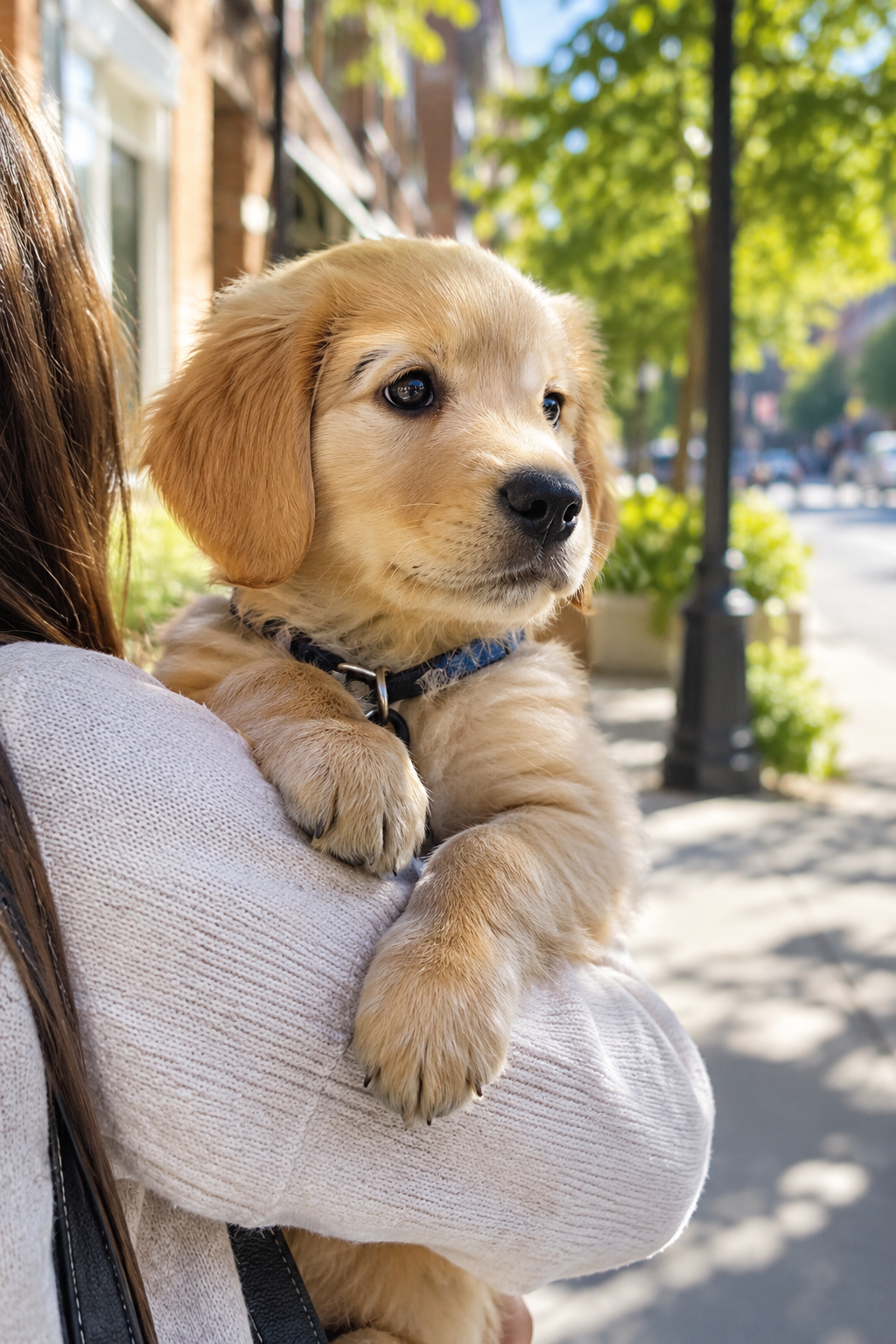
- Carried outings in public: Usually a useful option from the first week at home. Keep your puppy in your arms, a carrier, or a sling instead of placing them on public ground.
- Walking on public ground: Requires more caution. Some veterinary guidance permits carefully chosen, low-risk walks around one to two weeks after the second vaccination, while other situations call for waiting until one to two weeks after the final puppy vaccination.
These distinctions matter because parvovirus can survive in contaminated environments, and early vaccine doses do not always provide complete protection. Maternal antibodies can interfere with a puppy’s immune response, which is why vaccinations are repeated over several weeks.
The goal is to balance disease prevention with the early experiences your puppy needs to develop confidence.
Your own yard: go from day one (with rules)
If your home has a secure private yard, you can often start taking your puppy outside as soon as you bring them home. A familiar outdoor space provides a relatively controlled setting for exploring, sniffing, playing, and learning where to potty.
Before letting your puppy roam, check that the yard is fenced and free of obvious hazards. Ideally, unfamiliar dogs and unvaccinated dogs have not used the area. A yard is not automatically risk-free, since contaminated soil and objects can still present a potential problem.
Start with these precautions:
- Choose a small, clean area that you can supervise closely.
- Avoid areas used by unknown dogs, particularly if local parvovirus risk is high.
- Watch your puppy carefully so they do not eat soil, animal waste, plants, or objects they find.
- Keep outdoor visits short and frequent, especially around naps, meals, and playtime.
- Clean up waste promptly and keep your puppy away from anything suspicious.
These outings also support toilet training. Puppies have small bladders and need frequent opportunities to relieve themselves, so a quick trip outside after waking up or eating can help establish a routine.
For more practical steps, see the housebreaking a puppy guide.
If your yard is shared, has frequent neighborhood-dog traffic, or has a history of parvovirus, ask your vet about safer alternatives.
Can I carry my puppy outside before vaccinations?
Yes. Carrying your puppy outside before vaccinations is one of the most useful ways to introduce them to the world while limiting contact with potentially contaminated ground.
You can use your arms, a secure dog carrier, or a well-fitted sling. Keep your puppy off public sidewalks, grass, and other surfaces that unfamiliar dogs may have contaminated.
Make early outings short and positive. Your puppy does not need to interact with everything they see. Simply watching and listening from a comfortable distance is valuable.
Try introducing your puppy to:
- Traffic, bicycles, passing cars, and everyday neighborhood sounds.
- Different people, including those wearing hats or carrying bags.
- Other dogs viewed from a comfortable distance.
- Car rides and the sights and sounds around your neighborhood.
- Calm visitors and ordinary household activity.
You can also arrange visits with friends who have healthy, vaccinated, friendly dogs. Their homes provide a more controlled setting than a public dog park, provided those dogs have not recently been exposed to questionable environments.
What about puppy classes? Some well-managed classes accept puppies before they finish their vaccination series. Look for a facility that requires appropriate vaccination documentation, screens participating puppies, and maintains effective cleaning procedures. Your vet should help you decide whether the class is suitable for your puppy and local conditions.
The American Veterinary Society of Animal Behavior (AVSAB) supports appropriate early socialization before puppies are fully vaccinated, provided sensible precautions are used. Its puppy socialization recommendations are available at https://avsab.org/resources/position-statements/.
How long after the 2nd puppy vaccination can they go out?
A common rule of thumb is to wait about one to two weeks after the second puppy vaccination before starting carefully selected walks on public ground. Depending on the vaccination program, this may be around 12 to 14 weeks of age.
However, this timing is not a universal all-clear. The second injection might not be the end of your puppy’s primary vaccination course. In the United States, core puppy vaccinations are commonly repeated until at least 16 weeks of age because maternal antibodies can interfere with earlier doses. Puppies in higher-risk areas may need a different schedule.
Before putting your puppy’s paws on public ground, ask your vet whether your puppy has sufficient protection for the places you plan to visit.
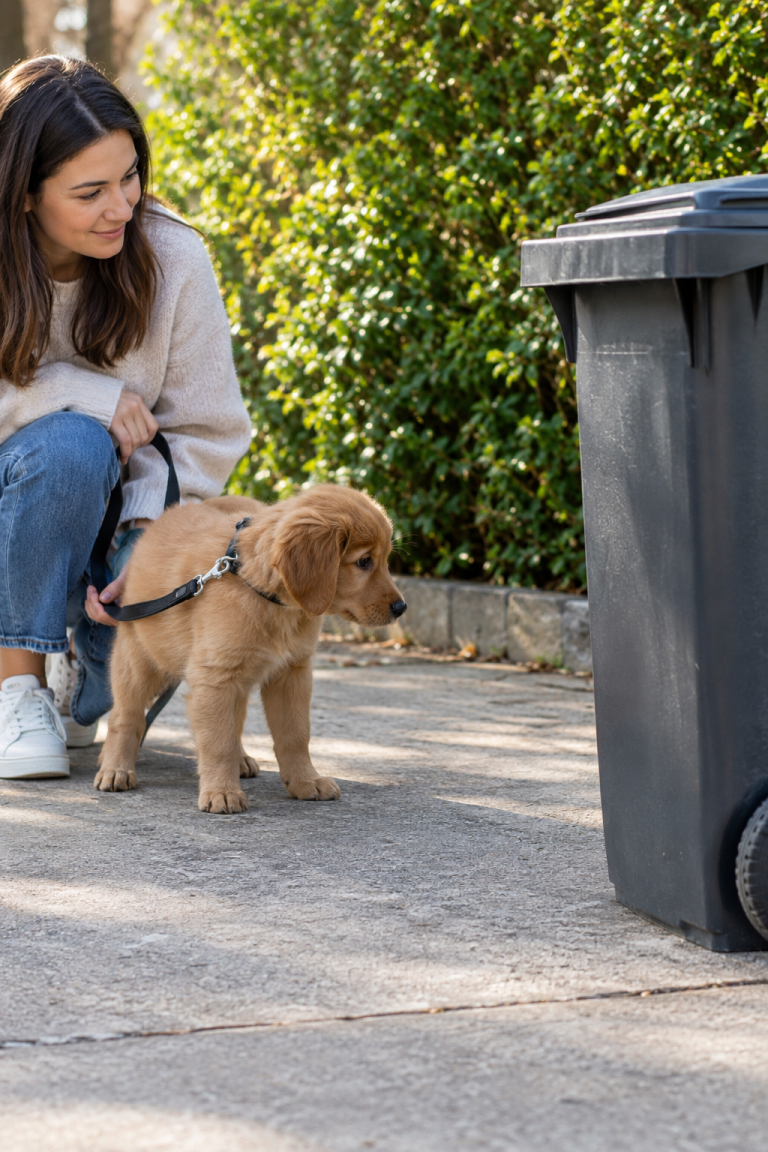
If your vet approves low-risk walks, begin with quiet streets and relatively clean areas with little dog traffic. Keep your puppy on a leash, discourage sniffing or eating waste, and avoid unfamiliar dogs.
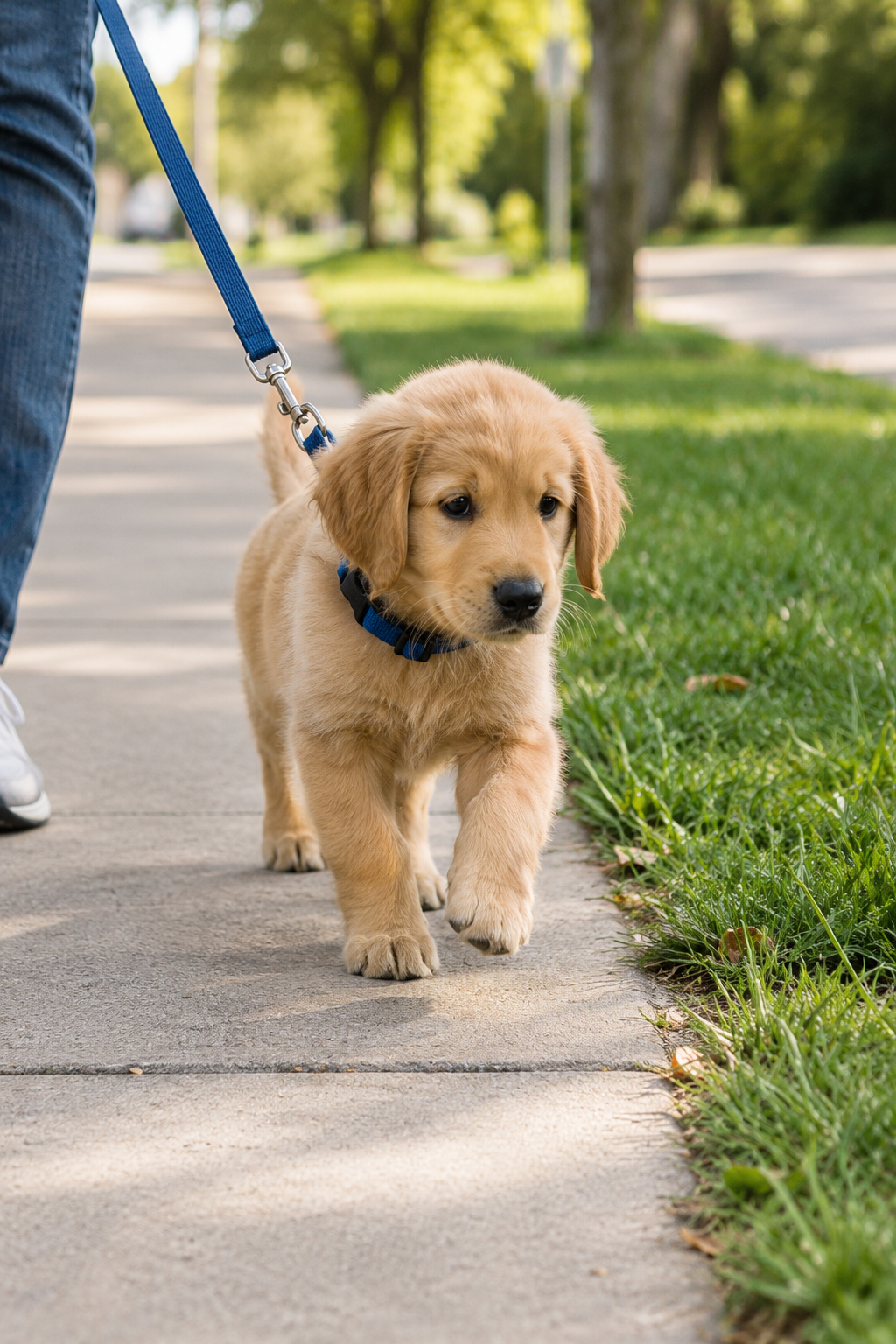
Be more cautious around:
- Dog parks and off-leash areas.
- Busy patches of grass used by many dogs.
- Pet-friendly store floors.
- Communal dog water bowls.
- Places with known parvovirus cases.
Dog parks should come later, after your puppy’s vaccination course is complete and your veterinarian considers the risk appropriate. Even vaccinated dogs can carry other infections or behave unpredictably.
Vaccines do not work like an instant switch. Protection builds over time, and a puppy may still be vulnerable after an individual dose. For the general vaccination schedule, see the puppy vaccination chart.
Why not just wait until fully vaccinated? The socialization window
Keeping your puppy away from every new experience until the entire vaccination course is finished may seem like the safest option. However, puppies also have developmental needs that are important during these early weeks.
The main sensitive socialization period is commonly described as roughly 3 to 14 weeks of age. During this time, positive experiences can help puppies become comfortable with people, sounds, environments, handling, and everyday situations.
Missing appropriate exposure may contribute to fearfulness, avoidance, or other behavior difficulties later in life. AVSAB therefore recommends safe socialization before full vaccination rather than waiting until the entire series is complete.
Fortunately, socialization does not require letting your puppy run around public parks or greet every dog they encounter.
You can build confidence through everyday activities:
- Invite a few calm visitors to your home.
- Let your puppy hear household appliances, traffic, and doorbells at a comfortable volume.
- Introduce different safe surfaces, such as rugs, tiles, and textured mats.
- Practice gentle handling of paws, ears, and the collar.
- Take short car rides and carried outings.
- Let your puppy observe people and dogs from a distance.
Watch your puppy’s body language. If they freeze, hide, repeatedly try to escape, or seem overwhelmed, increase the distance or end the outing. Give them time to observe rather than forcing an interaction.
The aim is not to maximize the number of experiences in a day. It is to make new experiences feel manageable and positive while your vet helps you minimize infection risks.
Places to avoid until vaccinated
Until your veterinarian clears your puppy for broader public access, avoid settings where unfamiliar dogs gather or where contamination is difficult to control.
Be especially cautious around:
- Dog parks and busy off-leash areas.
- Pet store floors and other heavily dog-trafficked indoor spaces.
- Communal water bowls.
- Busy sidewalks with frequent dog toileting.
- Public grass patches used by many dogs.
- Yards belonging to unfamiliar dogs whose health and vaccination status you do not know.
This does not mean avoiding every public sight or sound. You can often visit the same general environments while carrying your puppy or keeping them securely in a carrier.
If your puppy needs to visit the veterinarian, call ahead if you have concerns about exposure. Many clinics take precautions to reduce contact between unvaccinated puppies and other animals. Carry your puppy through shared areas when practical and avoid the waiting-room floor if possible.
A simple timeline for taking your puppy outside
Use this timeline as a starting point, not a substitute for your veterinarian’s advice.
| Puppy stage | Generally suitable activities |
|---|---|
| Around 8 weeks, when puppy comes home | Supervised use of a suitable private yard, short potty trips, and carried outings |
| After the first vaccination | Continue carried outings and controlled visits with healthy, vaccinated dogs you know |
| Around 1–2 weeks after the second vaccination | Quiet, low-risk public-ground walks only if your vet confirms the timing is appropriate |
| After the final puppy booster and the recommended waiting period | Gradually expand walks and public activities; dog parks should still be approached cautiously |
Your puppy’s exact schedule may differ based on previous vaccinations, vaccine timing, local parvovirus activity, and individual circumstances.
The American Animal Hospital Association’s canine vaccination guidelines explain why puppy vaccination schedules and protection can vary: https://www.aaha.org/resources/2022-aaha-canine-vaccination-guidelines/.
Frequently asked questions
Can my puppy go in my own yard before vaccinations?
Often, yes. A secure private yard is generally a reasonable place for supervised potty breaks if unfamiliar or unvaccinated dogs have not used it. Avoid contaminated or shared areas, and ask your vet about local parvovirus concerns.
Can a puppy go outside before the first vaccination?
Yes, in carefully controlled ways. Carried outings, safe car rides, and experiences at home can begin early. Avoid putting an unvaccinated puppy on public ground or allowing contact with unfamiliar dogs.
When can my puppy go for a walk?
It depends on your puppy’s vaccination course and local disease risk. Some vets approve short, quiet walks around one to two weeks after the second vaccination when the protection is considered adequate. In other cases, they may recommend waiting one to two weeks after the final dose. Follow your own vet’s timeline.
Can my puppy meet other dogs?
Your puppy can often meet healthy, friendly, fully vaccinated dogs you know in a controlled home environment. Avoid unfamiliar dogs and public dog gatherings until your vet says broader contact is appropriate.
Is it safe to put my puppy down at the vet?
Veterinary clinics take precautions to reduce infection risks, but shared floors can still be a concern. Carry your puppy through common areas where practical, and ask the clinic about its policy for unvaccinated puppies. Follow the staff’s instructions during the examination.
The bottom line
You do not need to choose between protecting your puppy from infection and helping them become a confident adult dog. Start with a suitable private yard, use carried outings to introduce the world, and wait for veterinary clearance before allowing paws-on-the-ground walks in public.
Remember that the second vaccination is not automatically the same as full protection. Your veterinarian knows the vaccine schedule, your puppy’s history, and your local disease risk, so use that advice to decide when each new outdoor experience is appropriate.
Jennifer, founder of CanineCalc, is a dog owner and researcher who writes practical, research-informed guides for puppy owners. She is not a veterinarian, breeder, or certified trainer.