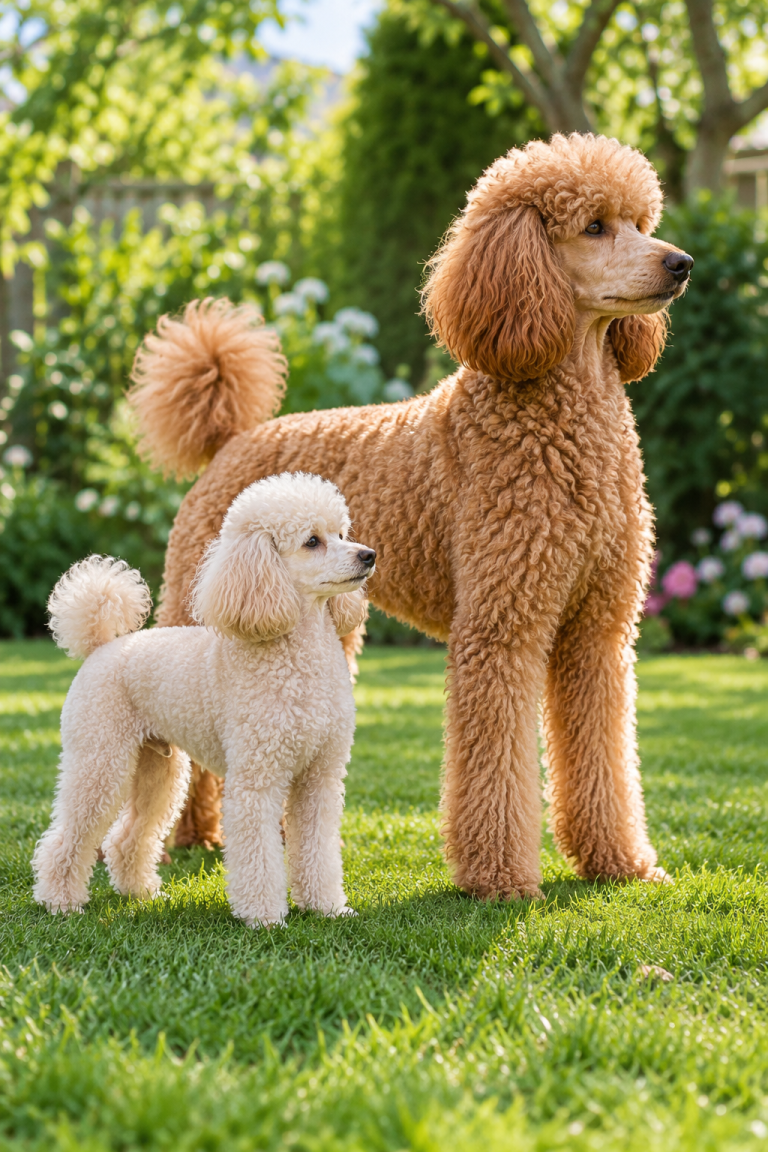
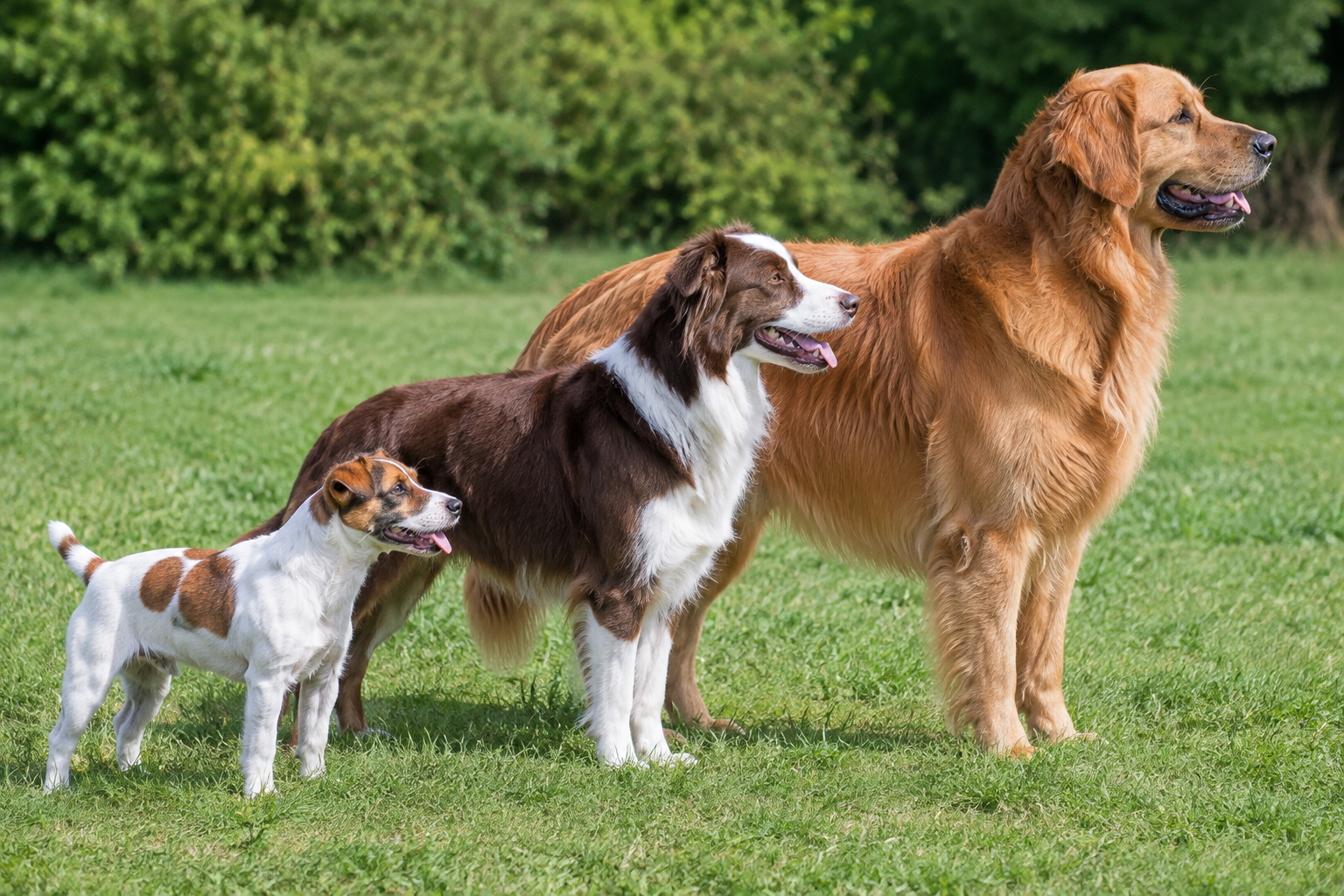
Wondering whether your puppy is growing at a healthy rate? A dog weight chart by age and breed can help you understand what to expect, but the right comparison depends on more than your dog’s age. A two-month-old Chihuahua and a two-month-old Great Dane are at very different stages of growth, even though they’re the same age.
This guide covers five size classes, from toy to giant, with typical puppy weight ranges in pounds and kilograms. Use it as a starting point for understanding your dog’s growth, including mixed breeds. These are broad reference ranges, not guaranteed weights or veterinary growth standards. Your dog’s breed, genetics, sex, nutrition, and individual development all influence the numbers.
Dog weight chart by age (by size class)
The table below gives a general picture of how puppies gain weight as they mature. The ranges are illustrative estimates organized around common adult-size categories and generalized growth patterns. They are not exact percentiles from a single study, and published growth references can differ. Veterinary and breed resources consistently show that puppies of different sizes follow different growth timelines.
| Age | Toy (up to 10 lb adult) |
Small (10–25 lb adult) |
Medium (25–50 lb adult) |
Large (50–90 lb adult) |
Giant (over 90 lb adult) |
|---|---|---|---|---|---|
| 2 months | 1–3 lb (0.5–1.4 kg) |
2–5 lb (0.9–2.3 kg) |
4–9 lb (1.8–4.1 kg) |
6–14 lb (2.7–6.4 kg) |
8–16 lb (3.6–7.3 kg) |
| 3 months | 2–4 lb (0.9–1.8 kg) |
3–8 lb (1.4–3.6 kg) |
6–15 lb (2.7–6.8 kg) |
10–22 lb (4.5–10 kg) |
15–30 lb (6.8–13.6 kg) |
| 4 months | 2.5–5.5 lb (1.1–2.5 kg) |
4–11 lb (1.8–5 kg) |
9–20 lb (4.1–9.1 kg) |
15–30 lb (6.8–13.6 kg) |
22–40 lb (10–18.1 kg) |
| 6 months | 3–8 lb (1.4–3.6 kg) |
6–17 lb (2.7–7.7 kg) |
15–35 lb (6.8–15.9 kg) |
25–50 lb (11.3–22.7 kg) |
40–75 lb (18.1–34 kg) |
| 9 months | 4–10 lb (1.8–4.5 kg) |
8–22 lb (3.6–10 kg) |
20–45 lb (9.1–20.4 kg) |
35–70 lb (15.9–31.8 kg) |
60–110 lb (27.2–49.9 kg) |
| 12 months | 4–10 lb (1.8–4.5 kg) |
10–25 lb (4.5–11.3 kg) |
25–50 lb (11.3–22.7 kg) |
45–85 lb (20.4–38.6 kg) |
75–135 lb (34–61.2 kg) |
| 18–24 months | Usually at adult size | Usually at adult size | Usually at adult size | 50–90 lb (22.7–40.8 kg) |
90–180+ lb (40.8–81.6+ kg) |
Important: These ranges are deliberately broad. The 18–24-month row shows the adult-weight categories for large and giant dogs, not a prediction that every dog will weigh those amounts on a specific date. Smaller dogs will generally have reached adult weight earlier. For more precise comparisons, use a growth reference tailored to your dog’s breed and sex, such as the American Kennel Club’s breed weight chart, alongside advice from your veterinarian.
Which size class is your dog?
Start with the weight you reasonably expect your dog to reach as an adult. For this guide, toy dogs generally weigh up to 10 pounds, small dogs 10–25 pounds, medium dogs 25–50 pounds, large dogs 50–90 pounds, and giant dogs more than 90 pounds. These are practical categories for reading the chart, not official definitions that every organization uses.
Typical examples include:
- Toy: Chihuahua and Yorkshire Terrier.
- Small: Miniature Dachshund and Shih Tzu.
- Medium: Beagle and Border Collie.
- Large: Labrador Retriever and German Shepherd.
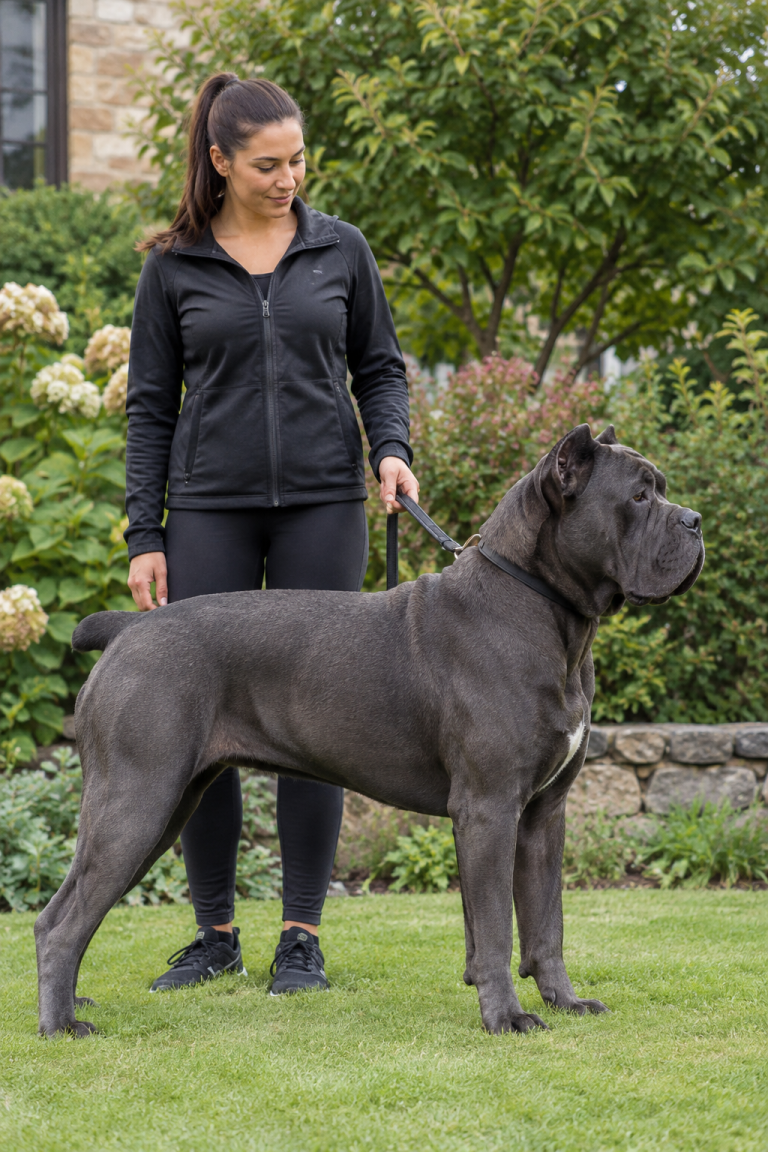
- Giant: Great Dane and Saint Bernard.
Some breeds sit near a category boundary. A Beagle, for instance, may fall toward the small or medium end depending on its build and expected adult weight. Individual dogs also vary within the same breed, so don’t force a borderline dog into a category just to match a number.
For a mixed-breed puppy, estimate adult size from the known or suspected parent breeds, your dog’s current age and weight, and its growth so far. A veterinarian can help refine that estimate. Once you have a reasonable adult-size range, the matching class makes a useful starting point. You do not need an exact breed identification for a general weight chart to be helpful. If you do know the breed, a breed-specific chart is a closer guide: the Husky weight chart follows one breed’s growth month by month.
When do dogs reach adult weight?
Small and toy dogs mature sooner than large and giant breeds. Some very small dogs finish most of their growth by around 6–8 months, while many small dogs reach adult size somewhere between 6 and 12 months. Medium dogs often approach adult size around 10–12 months, although individual timelines vary.
Large dogs commonly continue developing through 12–18 months, and giant breeds may take 18–24 months to reach full maturity. The VCA Animal Hospitals guide to puppy growth and maturity and the AKC’s guide to when puppies finish growing describe these size-related differences. Their age estimates are guidelines, not deadlines.
Height and weight do not always mature at the same time. A puppy may reach its adult height before its chest, muscles, and overall body shape have fully developed. Weight can therefore continue changing after a dog looks nearly grown. Males may finish larger or heavier than females in some breeds, but the size difference depends on the breed; sex alone cannot tell you what your dog should weigh.
Why breed and age have to be read together
A weight without an age tells you very little about a growing dog. A 30-pound puppy might be close to adult size if it belongs to a smaller breed, while a future large or giant dog at the same weight may have considerable growing left to do. That is why a general puppy weight chart needs both an age and an expected adult-size class.
Look at the overall pattern rather than expecting every weekly or monthly weigh-in to match a chart exactly. If your puppy’s weight changes unusually quickly, growth seems to stall, or your dog appears much thinner or heavier than expected, keep a record of its weight and ask your veterinarian whether an individual growth assessment is appropriate. A chart can highlight a question worth discussing, but it cannot diagnose a health or nutrition problem.
Keeping a healthy weight at any age
The scale is useful, but body condition matters too. You should generally be able to feel your dog’s ribs under a light covering of fat without pressing hard. Viewed from above, a healthy dog usually has a visible waist behind the ribs; viewed from the side, the abdomen should tuck upward rather than hang straight down. Coat thickness, body shape, age, and breed can affect what you see and feel.
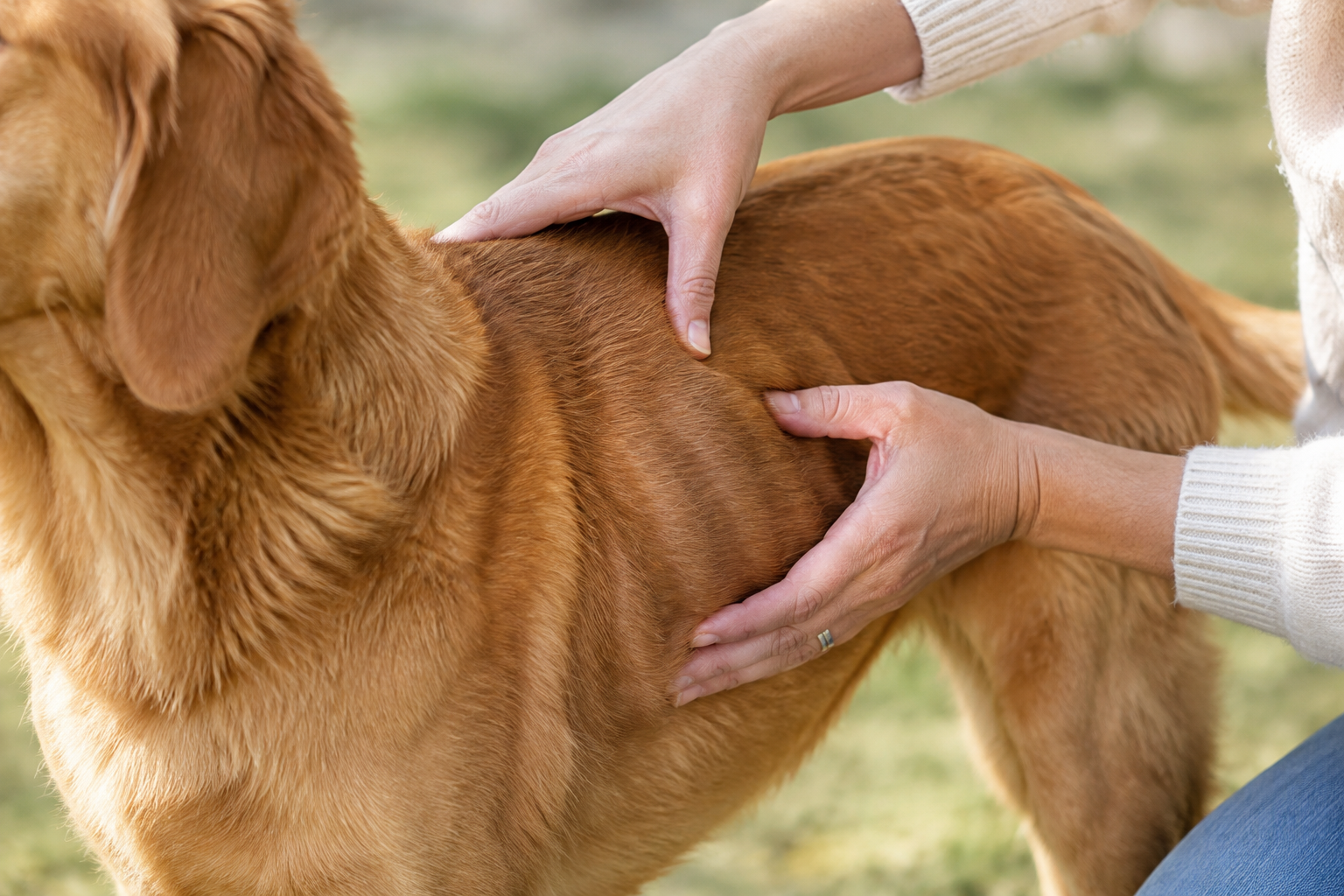
These simple checks can help you notice changes, but they do not replace a proper assessment. The World Small Animal Veterinary Association’s nutrition guidelines provide body-condition scoring resources that veterinary teams use to assess fat stores. If you’re unsure whether your dog is at a healthy weight, ask your veterinarian to check body condition and discuss an appropriate feeding plan. Avoid trying to speed up or slow down puppy growth by changing portions without professional guidance.
Common questions about dog weight charts
My dog is a mix. Which chart should I use?
Use the size class that best matches your dog’s expected adult weight. Consider the parent breeds if known, but also factor in your puppy’s growth history. If the likely adult size is uncertain, track weight over time and ask your veterinarian for an estimate. A breed-specific chart is helpful when the breed is known, but a general size-class chart can still provide context for mixed breeds.
Why is my puppy below or above the range?
Growth charts show broad patterns, not mandatory targets. Genetics, sex, body build, nutrition, and individual development all matter, and published estimates can differ. One measurement outside the range does not automatically mean something is wrong. Look at the trend, check your dog’s body condition, and contact your veterinarian if the difference persists or you notice other changes.
When do giant breeds stop growing?
Many giant breeds continue physical development until around 18–24 months, although the exact timeline varies by breed and individual. Height growth may slow before the dog has finished filling out. Your veterinarian can help you judge whether your dog’s development is appropriate for its age and expected adult size.
When should I switch my puppy to adult food?
There is no single age that suits every dog. Many smaller dogs transition around the end of their first year, while large and giant breeds may need a growth-formulated diet for longer. The appropriate timing depends on your dog’s size, development, and nutritional needs. Ask your veterinarian which food and transition schedule fit your puppy, especially if it is a large or giant breed.
Conclusion
A dog weight chart by age and breed is most useful when you compare your puppy with dogs expected to reach a similar adult size. Toy and small dogs generally finish growing sooner, while large and giant breeds may keep developing for well over a year. Use the ranges as a reference, monitor changes over time, and pay attention to body condition as well as weight. When your dog’s growth doesn’t seem to fit the expected pattern, your veterinarian is the best person to help interpret what you’re seeing.
By Jennifer
Jennifer is the founder and owner of CanineCalc, a dog owner and researcher who creates practical resources to help people understand their dogs’ growth and weight. She is not a veterinarian or a breeder.