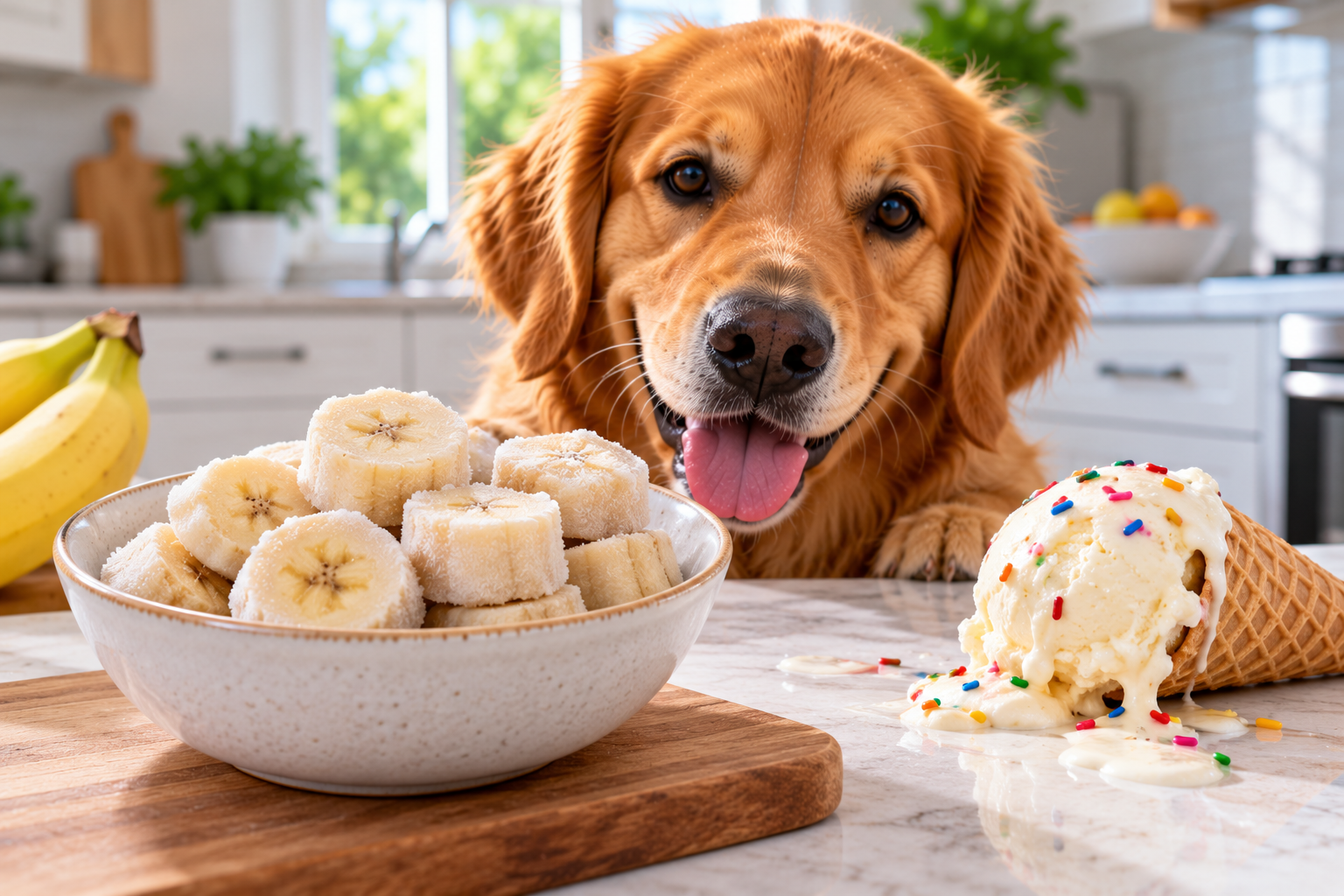
Ice cream is not recommended as a regular treat for dogs. A small lick of plain vanilla ice cream is unlikely to harm most healthy dogs, but dairy, added sugar, and fat can cause problems, particularly for dogs with sensitive stomachs. Some varieties also contain ingredients, such as xylitol or chocolate, that are genuinely dangerous.
The good news is that dogs can enjoy a cold treat without sharing your dessert. Simple options made with dog-friendly ingredients can offer a safer way to help your dog cool down.
The important distinction is that ordinary ice cream is generally unsuitable, while certain ingredients in some frozen desserts can pose a serious safety risk. Knowing the difference helps you decide what to avoid, what to do after an accidental lick, and what to offer instead.
Is ice cream bad for dogs? The short answer
Yes, ice cream is generally a poor choice for dogs, even though a tiny amount of plain vanilla ice cream is unlikely to cause serious harm to most healthy adult dogs.
The concern is not just one ingredient. Regular ice cream combines dairy, sugar, and fat, none of which dogs need in their daily diet. Some dogs tolerate small amounts of dairy, while others experience digestive upset. Rich desserts can also add unnecessary calories to an otherwise balanced diet.
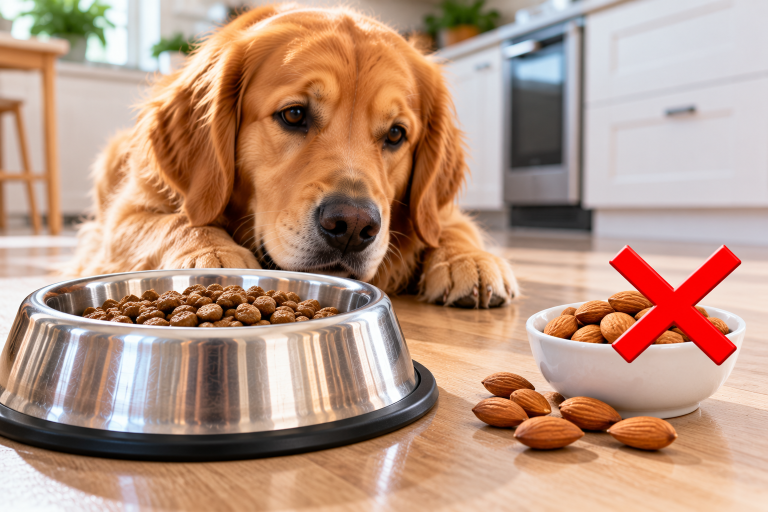
Flavors and toppings introduce another concern. Chocolate, coffee, macadamia nuts, and certain sugar substitutes can make a frozen dessert much more hazardous than plain vanilla.
Consider three important distinctions:
- A small lick of plain vanilla ice cream: Usually a lower-risk exposure for a healthy dog, although individual tolerance varies.
- A full serving of regular ice cream: More likely to cause digestive problems and adds substantial sugar and fat.
- Ice cream containing toxic ingredients: May require prompt veterinary advice, even if your dog appears normal afterward.
The American Kennel Club’s guide to dogs and ice cream also recommends considering alternatives that are less likely to cause digestive problems.
If your dog enjoys frozen treats, you do not need to share your human dessert. A simple dog-friendly alternative can be a better choice.
Why regular ice cream is a problem
Lactose can upset your dog’s stomach
Ice cream contains milk, and milk contains lactose, a natural sugar that dogs must digest using an enzyme called lactase.
Some dogs do not produce enough lactase to digest lactose comfortably. The undigested lactose can contribute to digestive symptoms such as gas, loose stools, diarrhea, and abdominal discomfort.
Tolerance varies from dog to dog. One dog may handle a small lick without any noticeable problem, while another may experience digestive upset after a similarly small amount.
Ice cream is not the only dairy product with this concern. Milkshakes, cream-based desserts, and other dairy treats can also cause trouble for dogs that are sensitive to lactose.
Sugar adds calories without much benefit
Most regular ice creams contain added sugar. Dogs do not need sweetened desserts, and extra calories can make it harder to maintain a healthy weight when treats become a frequent habit.
A single accidental lick is different from regularly serving ice cream after dinner. The greater concern is making a sugary dessert part of your dog’s routine.
Sugar-free ice cream is not automatically a better option. Some sugar-free products contain sweeteners that can be dangerous to dogs, including xylitol. Always check the ingredient list instead of relying on the words sugar-free or no added sugar.
High fat content can be another concern
Ice cream often contains cream and other ingredients that make it rich in fat. A fatty treat may contribute to digestive upset, and high-fat foods can be a concern for dogs susceptible to pancreatitis.
This is another reason to avoid offering a full scoop, even when the flavor is plain vanilla.
For a healthier overall routine, treats should complement a balanced diet rather than displace regular food. If you are also reviewing your puppy’s daily portions, see the puppy food chart for feeding reference information.
The genuinely dangerous kinds
Not every ice cream flavor carries the same level of risk. While ordinary vanilla ice cream is mainly a concern because of its dairy, fat, and sugar content, some ingredients deserve much more caution.
Xylitol-sweetened ice cream
Xylitol is a sugar substitute that is highly toxic to dogs. It may also appear on labels as birch sugar or wood sugar.
Xylitol can cause a dangerous drop in blood sugar in dogs and may also cause serious liver injury. The amount varies by product, so the label alone may not tell you how much was consumed.
Although xylitol is not present in every sugar-free dessert, never assume a sweetened frozen product is safe simply because it contains no ordinary sugar.
If your dog eats ice cream or another product containing xylitol, contact a veterinarian or emergency veterinary clinic immediately. Do not wait for symptoms to appear. The U.S. Food and Drug Administration’s xylitol guidance explains the danger and the importance of prompt action.
Chocolate ice cream
Chocolate contains substances called methylxanthines, including theobromine and caffeine, that are toxic to dogs. The risk depends on factors such as the type and amount of chocolate consumed and the dog’s size.
Chocolate ice cream, chocolate-chip ice cream, and frozen desserts containing cocoa should not be offered to dogs. Products with dark chocolate or concentrated cocoa ingredients deserve particular caution.
If your dog has eaten chocolate ice cream, contact your veterinarian for advice based on the product and amount consumed.
Coffee and espresso flavors
Coffee ice cream and espresso-flavored desserts may contain caffeine. Caffeine can be toxic to dogs, and the amount present depends on the product.
Avoid giving dogs coffee-flavored frozen desserts. If your dog eats one, especially in more than a tiny taste, seek veterinary guidance about the specific exposure.
Macadamia nut flavors
Macadamia nuts are toxic to dogs. Ice cream containing macadamias, macadamia pieces, or other ingredients made with these nuts should stay out of your dog’s reach.
Nut toppings can also make a dessert difficult to assess because the ingredients may be mixed throughout the product.
When you are unsure whether a dessert contains a potentially toxic ingredient, keep the packaging and contact a veterinary professional for advice. You can also consult the ASPCA’s list of foods to avoid feeding pets.
Safe frozen alternatives
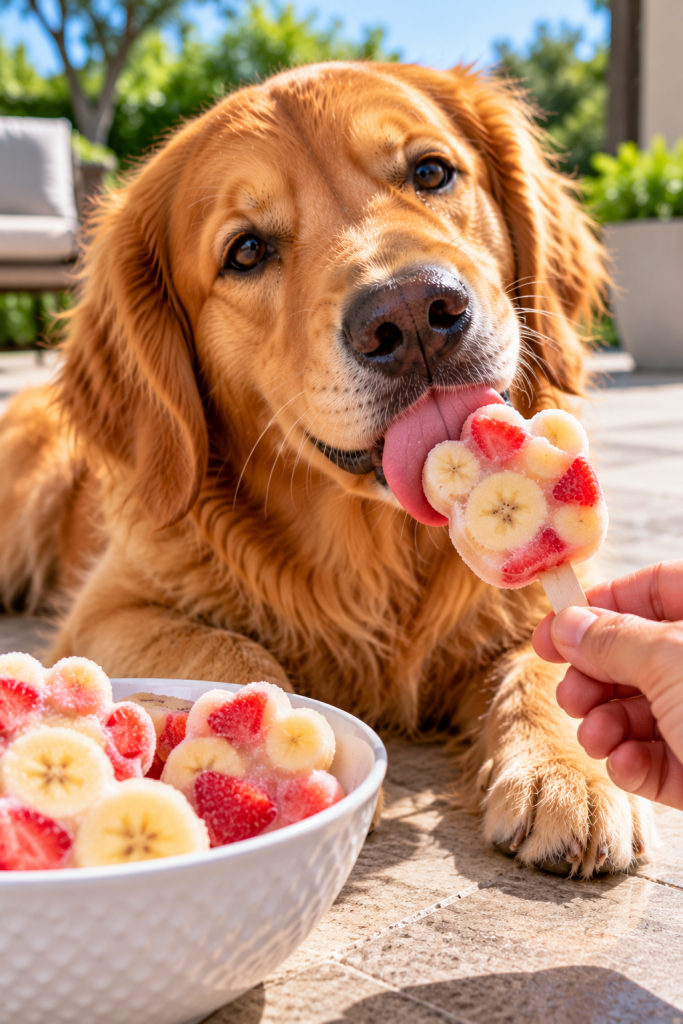
You can offer your dog a cold treat without the drawbacks of ordinary ice cream. The best options use simple ingredients, contain no toxic sweeteners, and are served in an appropriate size.
1. Frozen banana
Banana is a straightforward option for a homemade frozen treat. Mash a ripe banana and freeze small portions in a silicone mold or other suitable container.
Bananas contain natural sugar, so keep portions modest. For dogs that tend to swallow treats whole, avoid large, very hard frozen chunks that could pose a choking concern.
2. Plain yogurt pops
Plain, unsweetened yogurt can work for dogs that tolerate dairy. Mix a small amount of yogurt with mashed banana, divide it into small portions, and freeze.
Yogurt may be easier for some dogs to digest than milk because fermentation reduces some of its lactose, but it is not guaranteed to be lactose-free or suitable for every dog.
Choose an unflavored product without added sweeteners, and check the ingredients carefully for xylitol. Avoid flavored varieties that contain chocolate, unsafe mix-ins, or unnecessary added sugar.
3. Commercial dog ice cream
Commercial frozen treats made specifically for dogs are another option. Look for products intended for canine consumption and review the ingredient list before serving.
A product marketed for dogs is not automatically appropriate for every animal. Consider its ingredients, serving guidance, and your dog’s individual dietary needs.
4. Frozen pieces of dog-safe fruit
Some dogs enjoy small frozen pieces of dog-safe fruit, such as banana. Introduce unfamiliar foods cautiously and keep portions small.
Avoid fruit ingredients that are toxic to dogs, including grapes and raisins. Remove inedible parts where relevant, and make sure the size and texture of the treat are suitable for your dog.
A practical rule: Keep frozen treats simple. You do not need added sugar, chocolate, syrups, or elaborate toppings to make a cold snack appealing to your dog.
What if my dog ate ice cream?
Start by identifying what your dog ate. A lick of plain vanilla ice cream is very different from eating a bowl of chocolate ice cream or a sugar-free product containing xylitol.
Check the packaging or recipe if possible. Note the flavor, ingredient list, approximate amount eaten, and when the exposure occurred. This information can help a veterinary professional assess the situation.
After ordinary ice cream, watch for general signs of digestive upset, including vomiting, loose stools, diarrhea, or unusual discomfort. Contact your veterinarian if symptoms develop, persist, or concern you.
Do not wait for symptoms if the ice cream may contain xylitol or chocolate, or if you know your dog has eaten macadamia nuts. Contact your veterinarian or an emergency veterinary clinic promptly. Some toxic exposures can become serious before obvious signs appear.
If you cannot identify the ingredients, treat that uncertainty seriously and ask a veterinary professional for guidance. This article provides general information, not a diagnosis or an individualized treatment plan.
Frequently asked questions
Is ice cream bad for dogs?
Regular ice cream is generally not recommended because it contains dairy, sugar, and fat. A small lick of plain vanilla is unlikely to harm most healthy dogs, but individual tolerance varies, and some flavors contain ingredients that are toxic to dogs.
Can dogs eat vanilla ice cream?
A small lick of plain vanilla ice cream is usually lower risk than chocolate or sugar-free varieties containing xylitol. However, vanilla ice cream can still cause digestive upset and offers no particular dietary benefit. It is better treated as an accidental taste than a regular snack.
Can dogs eat a Puppuccino?
A Puppuccino is commonly served as a small cup of whipped cream rather than ice cream. It is not formulated as a complete or balanced dog treat, and its dairy and fat content may upset some dogs’ stomachs. It is best avoided by dogs that do not tolerate dairy or need to limit rich treats.
What ice cream can dogs eat?
There is no ordinary human ice cream that is ideal for all dogs. Plain frozen banana, a small plain-yogurt pop for a dog that tolerates dairy, or a suitable commercial dog ice cream can be better alternatives. Always check ingredients and serving guidance.
Can puppies eat ice cream?
It is best not to offer puppies regular ice cream. Their digestive tolerance can vary, and sugary, fatty treats are unnecessary when they need a balanced diet appropriate for growth. Choose puppy-appropriate treats and keep any extras in proportion to their daily food intake.
Conclusion
Ice cream is not the best treat for your dog, but the reason matters. Ordinary varieties can upset the stomach because of lactose and may add unnecessary sugar and fat. Products containing xylitol, chocolate, coffee, or macadamia nuts pose more serious concerns.
A small accidental lick of plain vanilla ice cream is unlikely to harm most healthy dogs. However, a possible exposure to a toxic ingredient calls for prompt veterinary guidance rather than waiting to see what happens.
For a cooler, simpler treat, try a small frozen banana portion, plain yogurt if tolerated, or a commercial product made for dogs. Your dog can enjoy something cold without needing a scoop from your bowl.
About Jennifer: Jennifer is the founder and owner of CanineCalc, a dog owner and researcher who develops practical, accessible resources to help people understand their dogs’ needs. She is not a veterinarian, breeder, or certified trainer. CanineCalc articles provide general educational information and are not a substitute for veterinary advice.