Is liver good for dogs? The short answer
Yes, liver is good for dogs when served in small, appropriate portions as an occasional treat. It is a nutrient-dense organ meat that provides protein, iron, B vitamins, and vitamin A. Its strong aroma and rich flavor also make it appealing to many dogs, which is why small pieces can work well as high-value training rewards.
The important part is moderation. Liver contains concentrated nutrients, and feeding large amounts or offering it too frequently can upset the balance of a dog’s diet. Excessive intake of vitamin A over time is a particular concern, especially when liver becomes a major part of the menu instead of a small extra.
For most healthy dogs eating a complete and balanced commercial food, the simplest approach is to cook plain liver thoroughly, cut it into small pieces, and offer a conservative portion occasionally.
Think of liver as a nutritious treat, not a nutritional shortcut. A small amount can add variety without displacing the food designed to meet your dog’s daily needs.
Benefits of liver for dogs
Liver offers several useful nutrients in a relatively small serving. That makes it an appealing addition to an occasional treat rotation, provided portions stay sensible.
Protein for everyday nutrition. Liver supplies protein, which contributes amino acids needed for normal body functions. Your dog’s regular complete and balanced food should remain the primary source of daily nutrition, however.
Iron and B vitamins. Liver contains iron and several B vitamins involved in normal metabolic processes. These nutrients are important, but adding more does not automatically make an already balanced diet better.
Vitamin A. Liver is naturally rich in vitamin A, a fat-soluble vitamin involved in normal vision, growth, and other body functions. Dogs need vitamin A, but more is not necessarily better because excess amounts can accumulate over time.
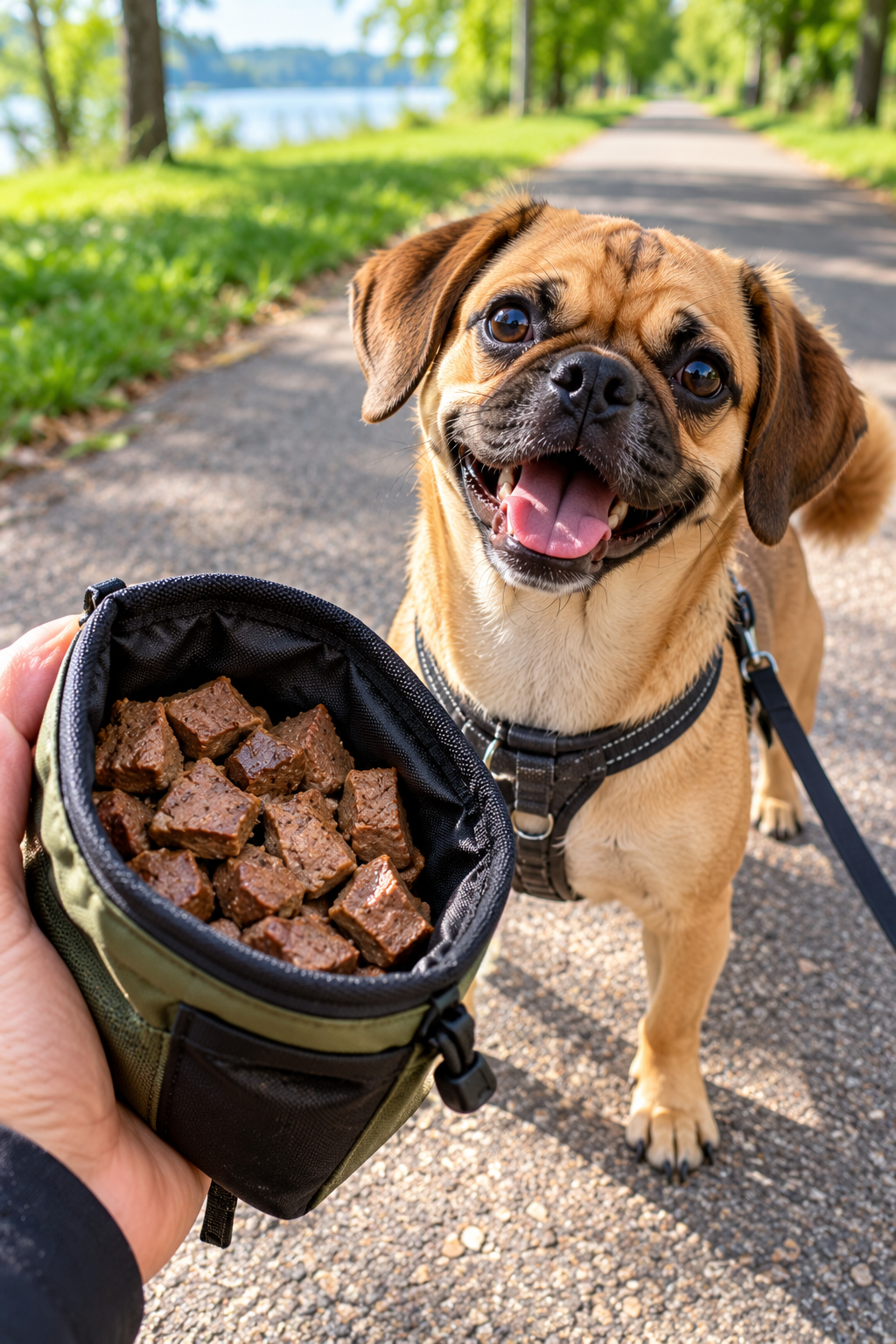
A high-value training reward. Many dogs find liver especially enticing. When cooked and cut into tiny pieces, it can be useful during training sessions, walks, or practice around distractions. A treat does not need to be large to be rewarding.
Variety for selective eaters. A small piece can introduce a different flavor and texture to an otherwise familiar routine. Still, liver should not become a way to replace regular meals or continually persuade a dog to ignore its usual balanced food.
The nutritional distinction matters: liver contributes valuable nutrients, but it is not a complete diet on its own. The Merck Veterinary Manual’s nutrition guidance explains why feeding overly restricted combinations of foods, including liver alone, can create nutritional imbalances.
Risks of too much liver
Liver’s nutritional density is exactly why portion control matters. Most of the concerns arise when it is fed in excessive quantities, too frequently, or as a replacement for balanced dog food.
Vitamin A accumulation. Vitamin A is fat-soluble, meaning the body can store it rather than simply eliminating all excess through urine. Repeatedly feeding large amounts of liver can contribute to an excessive intake over time. Dogs need vitamin A, but regularly adding large liver servings on top of a nutritionally complete diet is unnecessary. The Merck Veterinary Manual notes that feeding only liver can result in vitamin A toxicity.
Digestive upset. Liver is a rich food, and an unusually large serving may cause digestive upset, including loose stool or vomiting. Dogs encountering liver for the first time may tolerate a tiny taste better than a large portion.
Copper intake. Liver also contains copper, an essential mineral. Its concentration can vary by animal species and food source. Regular, generous servings can add significant nutrients to an otherwise complete diet, so liver should remain a limited extra rather than a daily dietary foundation.
An unbalanced diet. Liver does not supply every nutrient in the correct proportions a dog needs. Replacing a meaningful share of regular meals with liver can dilute the nutritional balance of the overall diet. The FDA’s explanation of complete and balanced pet food explains why treats and other extras are not generally suitable as a pet’s sole food.
The practical lesson is straightforward: feeding liver occasionally is different from making it a major ingredient in your dog’s routine meals.
How much liver can a dog eat?
There is no single, scientifically established weekly liver portion that suits every dog. Nutrient concentration varies between beef and chicken liver, while a dog’s calorie needs and existing diet also affect what is appropriate.
The following table offers a conservative starting guide for occasional, cooked liver treats, not a veterinary prescription or a guaranteed maximum safe dose. Amounts refer to the total cooked liver offered during a week, rather than at each meal.
| Dog’s weight | Conservative weekly starting portion |
|---|---|
| Under 10 lb | About ½ teaspoon, finely chopped |
| 10–25 lb | About 1 teaspoon, finely chopped |
| 26–50 lb | About 1–2 teaspoons |
| 51–75 lb | About 1 tablespoon |
| Over 75 lb | About 1–2 tablespoons |
These amounts are intentionally modest. They are practical portion suggestions, not published toxicological thresholds. Start below the suggested amount when introducing liver, and offer less if your dog already receives liver-based treats or other organ meats.
Two nutrition guidelines help put these portions in context:
The 10% treat rule: Veterinary nutrition guidance commonly recommends that treats and other extras account for no more than 10% of a dog’s daily calories. At least 90% should come from complete and balanced food. This allowance covers all treats and extras combined, not liver alone. See VCA Animal Hospitals’ guidance on dog treats.
The 5% organ-meat guideline: Some raw-feeding formulas use liver as approximately 5% of the overall diet, with other organ meats making up another portion. This belongs to a broader formulation approach, not a universal instruction to add liver equal to 5% of every dog’s existing food. It is not interchangeable with the 10% treat rule.
For a dog eating regular commercial food, don’t calculate liver portions by simply adding 5% of the bowl. Treat it as an occasional extra and preserve the balance of the main diet.
For puppies, start with an even more cautious approach and seek individualized feeding guidance. For age-based meal amounts, see the CanineCalc puppy food chart.
Which liver and how to prepare it
Beef liver and chicken liver can both be suitable occasional treats for dogs when prepared properly. Neither needs to be the automatic choice for every dog.
| Feature | Beef liver | Chicken liver |
|---|---|---|
| Flavor | Strong, rich flavor | Rich flavor that some dogs find milder |
| Texture | Often firmer when cooked | Usually softer when cooked |
| Portioning | Easy to cut into small cubes | Easy to chop into tiny training pieces |
| Availability | Common at butcher counters and grocery stores | Common in grocery stores and meat departments |
Neither variety is universally better. Choose a plain, fresh product from a reliable food source, and consider how your dog responds to the flavor and texture.
Prepare liver safely:
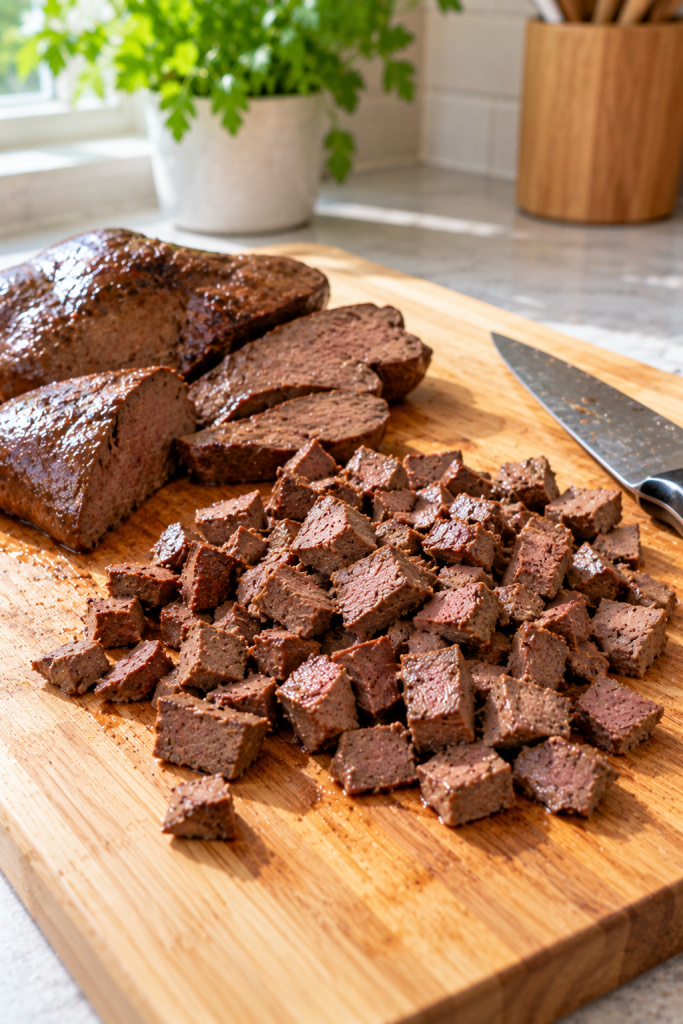
- Cook it thoroughly. Boil, steam, or bake it until fully cooked. Avoid serving it raw or undercooked.
- Skip the seasonings. Do not add salt, sauces, butter, onion, garlic, or seasoning blends. Onion and garlic are unsafe for dogs.
- Cut it into small pieces. Tiny bites are easier to portion and convenient for training.
- Cool it before serving. Check the pieces for excessive heat and offer an appropriate size for your dog.
- Store leftovers safely. Refrigerate promptly in a covered container or freeze small portions for later use. Discard food that has been stored improperly or shows signs of spoilage.
Raw liver is sometimes promoted as a natural food, but raw does not automatically mean safer or more nutritious. The American Veterinary Medical Association’s raw-diet policy discourages feeding raw or undercooked animal-source proteins because of the risk of harmful pathogens to pets and people.
Liver treats vs. fresh liver
Fresh, cooked liver gives you direct control over ingredients and portion size. Commercial liver treats can be more convenient, particularly for training, travel, or situations where carrying fresh food is impractical.
Dried and freeze-dried liver treats are lightweight and easy to divide into small rewards. However, drying removes moisture, so the finished pieces can be more concentrated by weight than fresh liver. A piece that looks tiny may still provide a substantial amount of food.
Before choosing a packaged product, check the ingredient list. Look for clearly identified liver, note whether other ingredients or seasonings are included, and follow the manufacturer’s storage instructions. Freeze-dried products are not necessarily cooked, so consider the food-safety implications of raw animal ingredients.
Most importantly, apply the same portion discipline to liver treats as you would to fresh liver. Count them toward your dog’s overall treat allowance, and avoid stacking several liver products on top of a regular diet that already contains liver.
Common questions about feeding liver to dogs
Is liver good for dogs every day?
For a dog eating complete and balanced food, daily liver treats are generally unnecessary. Offering small portions occasionally is a simpler way to enjoy the benefits without repeatedly adding concentrated nutrients to the diet. The overall amount matters more than whether liver is fresh or dried.
Can puppies eat liver?
Puppies can have a tiny amount of thoroughly cooked, plain liver as an occasional treat, but their growing bodies have specific nutritional requirements. Keep portions very small, introduce new foods cautiously, and make sure treats do not displace the balanced puppy food that supports growth.
Is chicken liver or beef liver better for dogs?
Neither is automatically better. Both provide protein and concentrated nutrients, and their exact nutrient content varies. Choose the one your dog tolerates well, prepare it without seasonings, and keep servings modest.
Can dogs eat raw liver?
It is safer to serve liver thoroughly cooked. Raw liver can carry harmful bacteria, and handling contaminated raw meat can expose both dogs and people to pathogens. The AVMA discourages feeding raw or undercooked animal-source proteins to pets.
How do I know if my dog ate too much liver?
A large serving may be followed by digestive upset, such as loose stool or vomiting, but these signs cannot tell you how much vitamin A or copper your dog has consumed over time. If your dog ate a substantial quantity, seems unwell, or consumed liver prepared with onion or garlic, contact your veterinarian promptly. Be ready to explain approximately how much was eaten, when it happened, and how the liver was prepared.
The bottom line
Liver can be a useful, appealing treat for dogs. It supplies protein, iron, B vitamins, and vitamin A, but its concentrated nutrients make moderation essential. Choose thoroughly cooked, unseasoned beef or chicken liver, use small portions, and keep your dog’s regular complete and balanced food at the center of the diet.
The best approach is not to feed as much liver as your dog will happily eat. It is to offer just enough to make an occasional treat enjoyable while keeping the overall diet balanced.
By Jennifer, Founder of CanineCalc
Jennifer is a dog owner and researcher who creates practical, research-informed guides to everyday dog care and nutrition. She is not a veterinarian, breeder, or certified trainer.